Reviewed September 2026 by Dr. Jason Hulme DC, DACBSP®, Dip Med Ac
If your teenager has been told she has scoliosis and she says her back feels fine, you are in the situation we see most often. The hardest part of this work is rarely the exercise itself. It is keeping a young person committed to techniques she has no symptom reminding her to do, while the curve can still change during her growing years.
About 80% of the adolescent scoliosis cases we see do not suffer from a whole lot of pain in their back. About 20% of the cases we see do have significant pain with their scoliosis. Pain is such a motivator that the second group tends to do the drills without much convincing.
Why is it hard for a teen with no pain to do the exercises?
Because there is nothing pushing her. Curve progression happens quietly during growth, and a young person cannot feel a few degrees change the way she can feel a sore back.
That is the piece we talk through with families. For the kids who hurt, getting them out of the pain is the key and the motivation takes care of itself. For the kids who do not hurt, it can be tricky for them to understand the weight of the situation. Unfortunately, in our adult patients there are some we do have to send on for surgical opinions, and that is a really tough situation to be in. We would much rather catch a curve while there are growing years left to work with.
| Group | What drives the work |
|---|---|
| The roughly 80% with little pain | Understanding progression, short achievable drills, and consistency built as a habit |
| The roughly 20% with significant pain | Pain relief is the immediate goal, and that motivation usually carries the home program |
What did Caroline say makes the drills click?
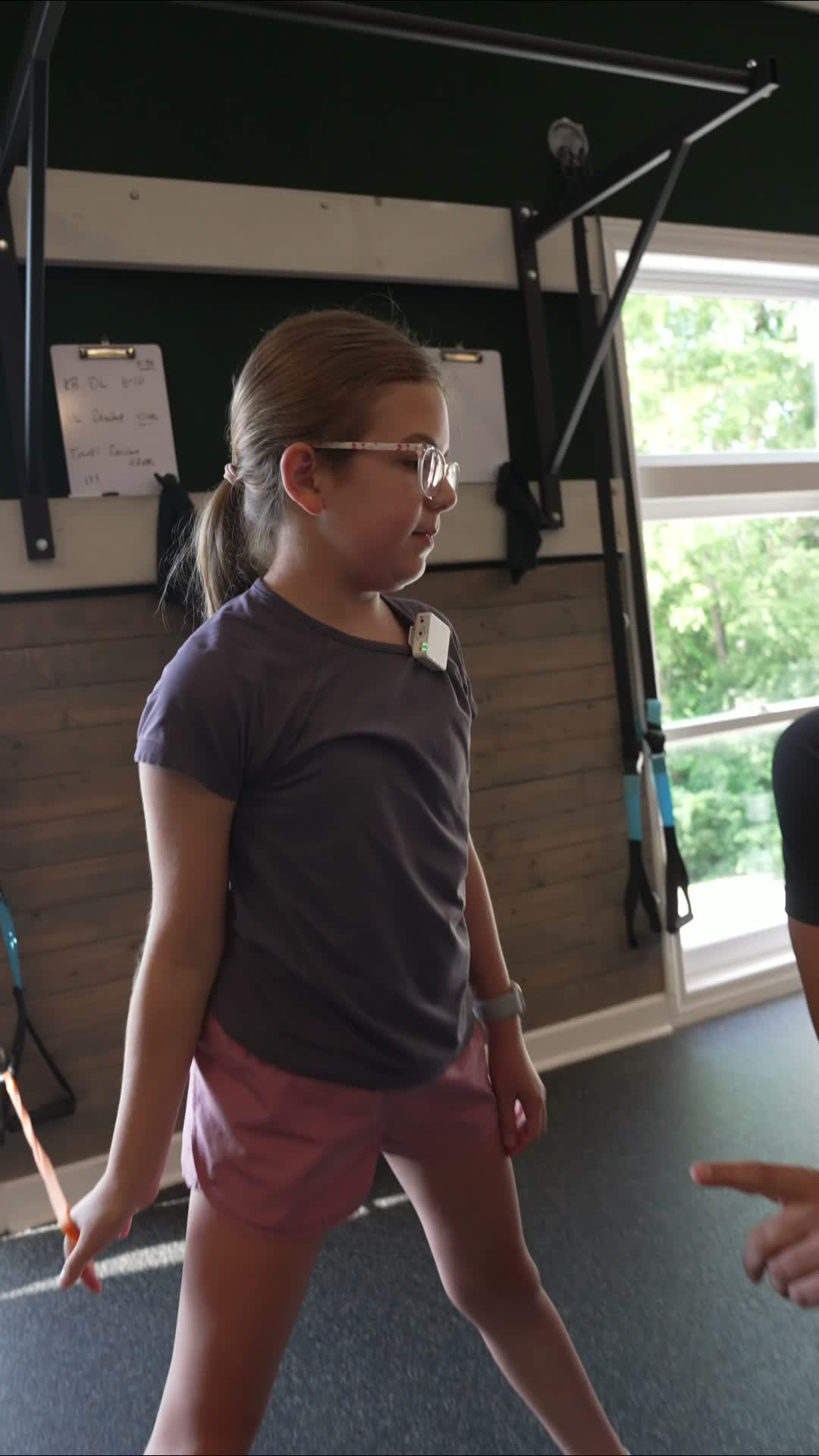
She said it simply. Focus on the techniques, learn them one at a time, and care about doing them. That is the whole answer, and it is why she has reached a level very few of the kids we see get to.
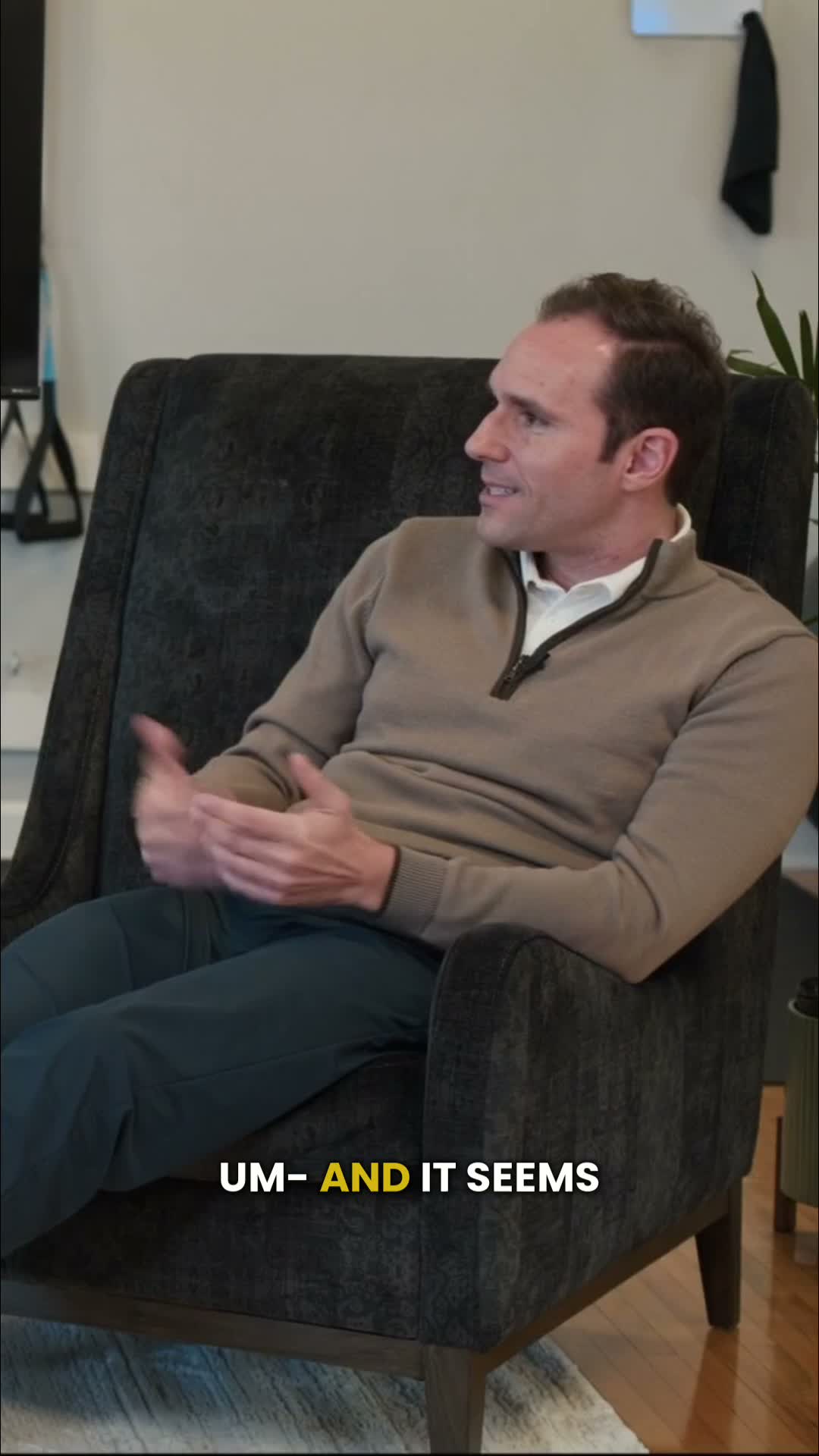
Dr. Jason asks her about it in the clip, and she describes the drill the way anyone would who has climbed to it in order:
when you first started doing this one, this was a really tricky one
It was tricky, and then the earlier exercises she had been working so hard on gave her something to draw on inside the harder position. She could call on the breathing and the trunk control without having to think about them. That is what mastery of a simple drill buys you later.
What is the work actually training?
To put it simply, scoliosis treatment is all about de-rotating the spine, or training the spine to be able to control the muscles back toward proper rotational alignment. A curve is not only a side bend. There is a twist in it.
Picture a garden hose that has been coiled in the sun all summer. Straightening it for a second is easy. Getting it to stay uncoiled while water runs through it is the real task. That is closer to what we ask of a spine: hold the corrected rotation while breathing, bracing and moving. The two methods we use for it are the Schroth method of scoliosis de-rotation, which uses position specific holds and rotational breathing to expand the collapsed side of the rib cage, and Dynamic Neuromuscular Stabilization, a rehabilitative approach built on breathing and deep trunk control.
How do we build a program a teenager will actually do?
By making the first step small enough that success is likely, then stacking. Compliance is a skill we coach as deliberately as the drills.
- Pick the technique she can do well today, not the impressive one on the video.
- Repeat it until the breathing and bracing no longer need conscious attention.
- Add the next technique on top of the one that is already automatic.
- Return to the hard position only once there is something underneath it to draw on.
We have worked with these methods over the last 17 years. Some of the adolescents we have seen have improved their curve measurements, in some cases by around ten degrees with good quality therapy, and that was their own result rather than a prediction for anyone else. Our goal is to do everything we can to maximize what the body will do and to reduce the odds of needing rods, tethering or other surgery. Those procedures have their place when they are necessary.
Key points
- Roughly 80% of the adolescent scoliosis cases we see report little back pain, and roughly 20% report significant pain.
- Curve progression during growth is not something a young person can feel.
- Compliance is coached, starting with drills that are achievable now.
- Scoliosis work is de-rotation: controlling the twist, not just the side bend.
- Caroline’s answer was one technique at a time, and caring enough to keep going.
Frequently asked questions
My teen has no pain. Is there any reason to do scoliosis exercises?
The reason is progression during growth rather than current symptoms. Scoliosis specific exercise has been studied in adolescents and associated with better curve outcomes than observation alone. The growing years are when there is the most to work with.
How advanced do the exercises get?
They start simple and build. The drill Caroline is holding is an advanced one, and she reached it only after the earlier breathing and trunk control techniques became automatic for her.
Do these exercises hurt?
They are effortful rather than painful, and holding a corrected position in a hard range is tiring. For the young people who come in with back pain, reducing that pain is one of the goals of the program.
What if a brace or surgery has already been recommended?
Those recommendations belong with the treating specialist and they have their place when they are necessary. Conservative de-rotation work can run alongside them, and our part is assessment and the rehabilitative work, before and after.
Sources
- Negrini S, et al. 2016 SOSORT guidelines: orthopaedic and rehabilitation treatment of idiopathic scoliosis during growth. Scoliosis and Spinal Disorders. 2018. https://doi.org/10.1186/s13013-017-0145-8
- Schreiber S, et al. Schroth scoliosis-specific exercises added to the standard of care lead to better Cobb angle outcomes in adolescents with idiopathic scoliosis. PLoS One. 2016. https://doi.org/10.1371/journal.pone.0168746
- Kuru T, et al. The efficacy of three-dimensional Schroth exercises in adolescent idiopathic scoliosis: a randomised controlled clinical trial. Clinical Rehabilitation. 2016. https://doi.org/10.1177/0269215515575745
If your child has a curve and nobody has given you much to do between imaging appointments, book a new patient visit and we will assess the rotation, the breathing pattern and how she moves, then start her on the one technique she can own first. Our Hendersonville office works with adolescents at every stage of this.
Active Sports Therapy · 123 Stadium Drive, Hendersonville, TN 37075 · 615-537-5520
Transcript of the video
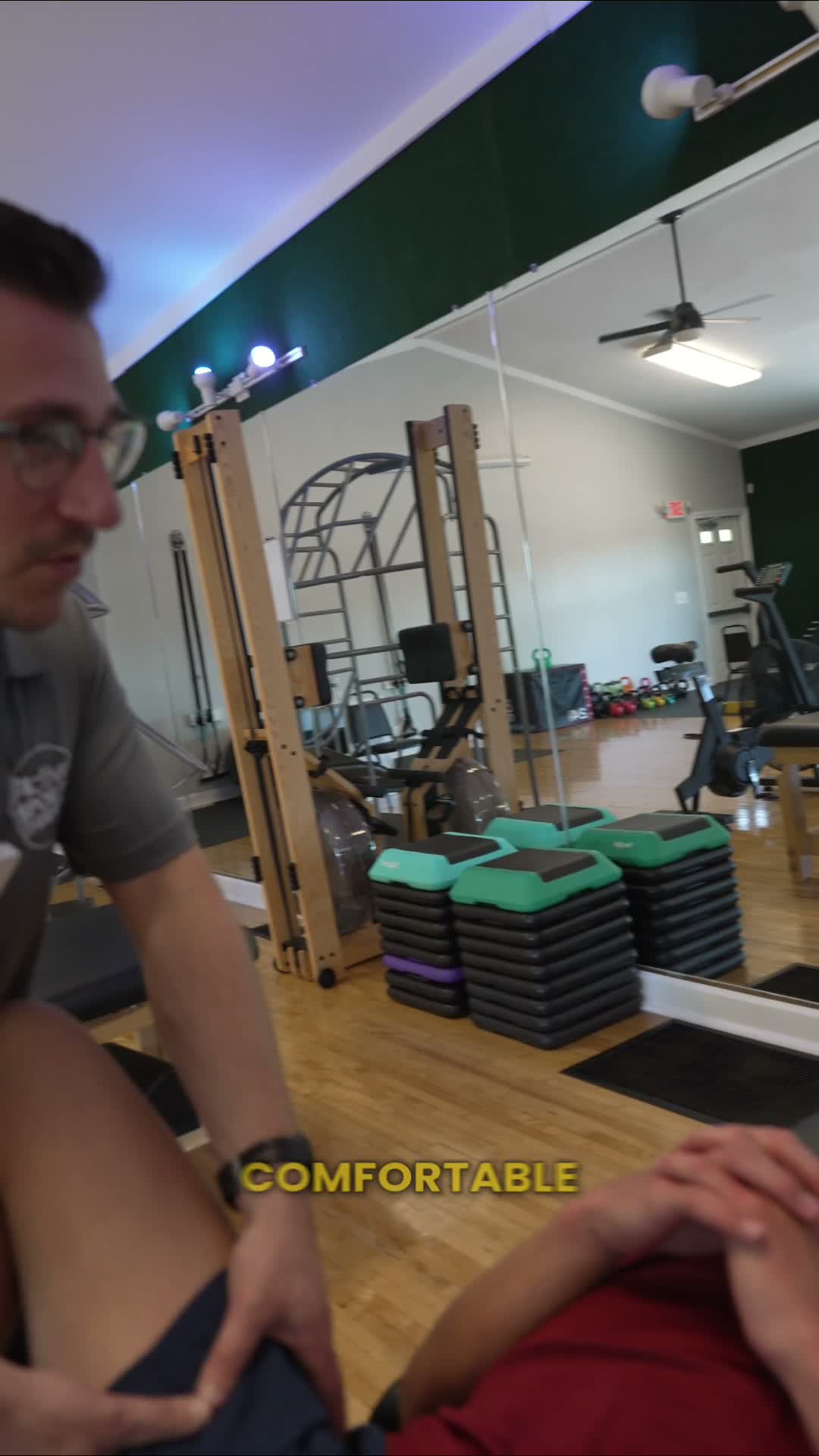
Perfect expansion and doing everything she can to isolate that position that’s really hard for us to stabilize it but her technique is phenomenal. What do you think about this one? What’s the hardest part of it? Yeah, when you first started doing this one, this was a really tricky one, but then all the sudden once all of those other exercises you’ve been working so hard on learning those other truck reading techniques.
You learn how to download that in.
Leave a Reply