
Dizziness that will not settle. Sensitivity to light and sound. Trouble tolerating a quick change in direction or a rising heart rate. These are the symptoms that stick around after a concussion when the recovery plan only addressed one part of what got hurt. Caroline, a soccer player we have worked with this summer, is one of the clearest examples we have seen of what happens when every part of that picture gets treated instead.
What Post Concussion Syndrome Actually Involves
Post concussion syndrome is not one problem. It is several problems that happen to arrive together. In Caroline’s case, and in most cases with symptoms that linger, that can include the visual system, the inner ear, dizziness, how the body tolerates oscillation and quick changes in position, balance, coordination, strength, the ability to tolerate a rising heart rate during exertion, and sensitivity to light and sound. When treatment only addresses one of those pieces, the parts left untouched tend to keep a person symptomatic long after the initial injury.
The SCAT6: How We Make Sure Nothing Gets Missed
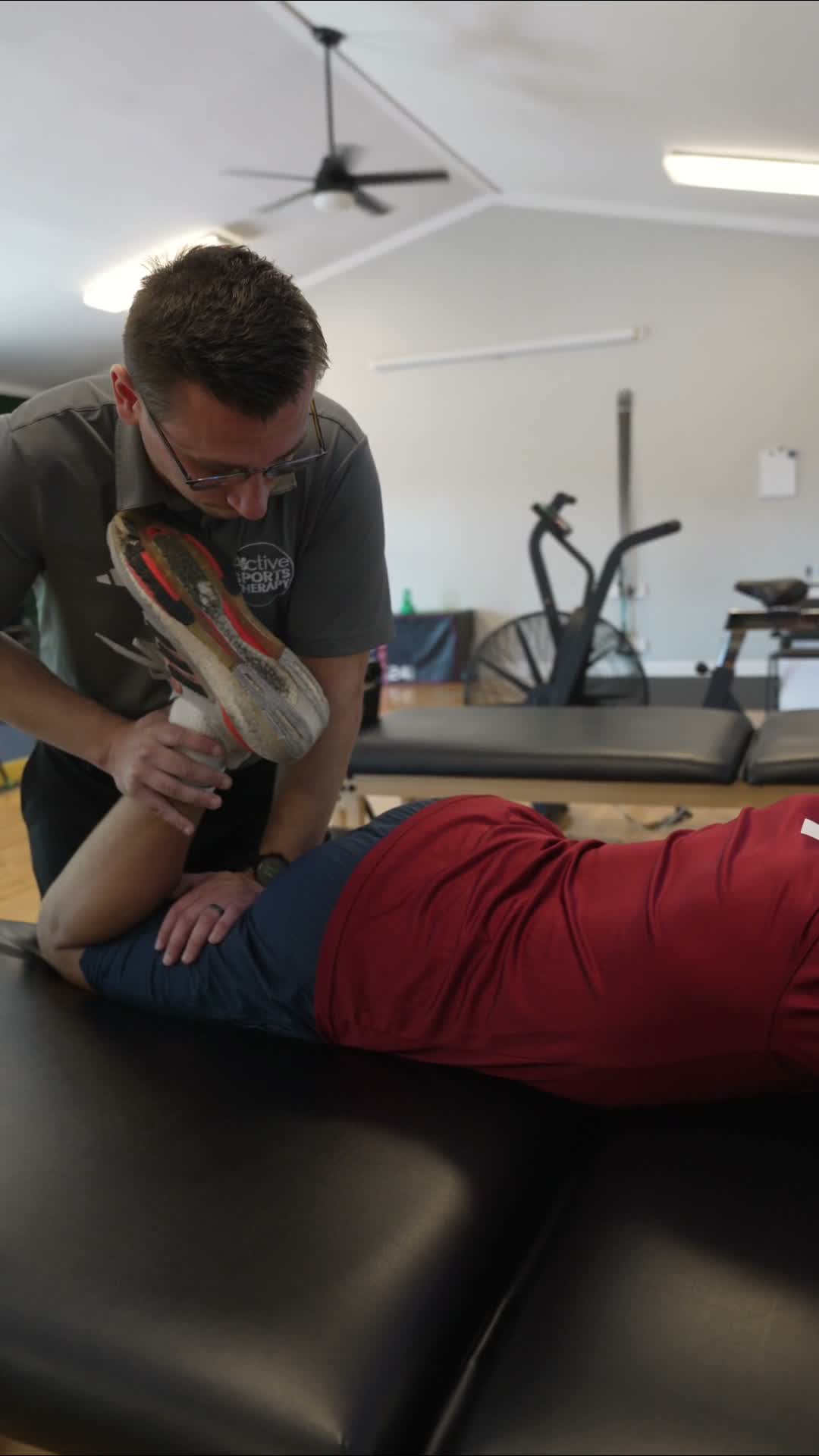
Before we build a plan, we run a thorough evaluation using the SCAT6, the consensus document that sports medicine providers are trained to use for exactly this reason. It exists so that a symptom does not get overlooked simply because it was not the loudest one in the room. From there we build progressions of exercise and treatment specific to what that evaluation actually finds, rather than a generic concussion protocol applied to every athlete the same way.
Inside Caroline’s Drill: Blaze Pods and Resisted Hip Abduction
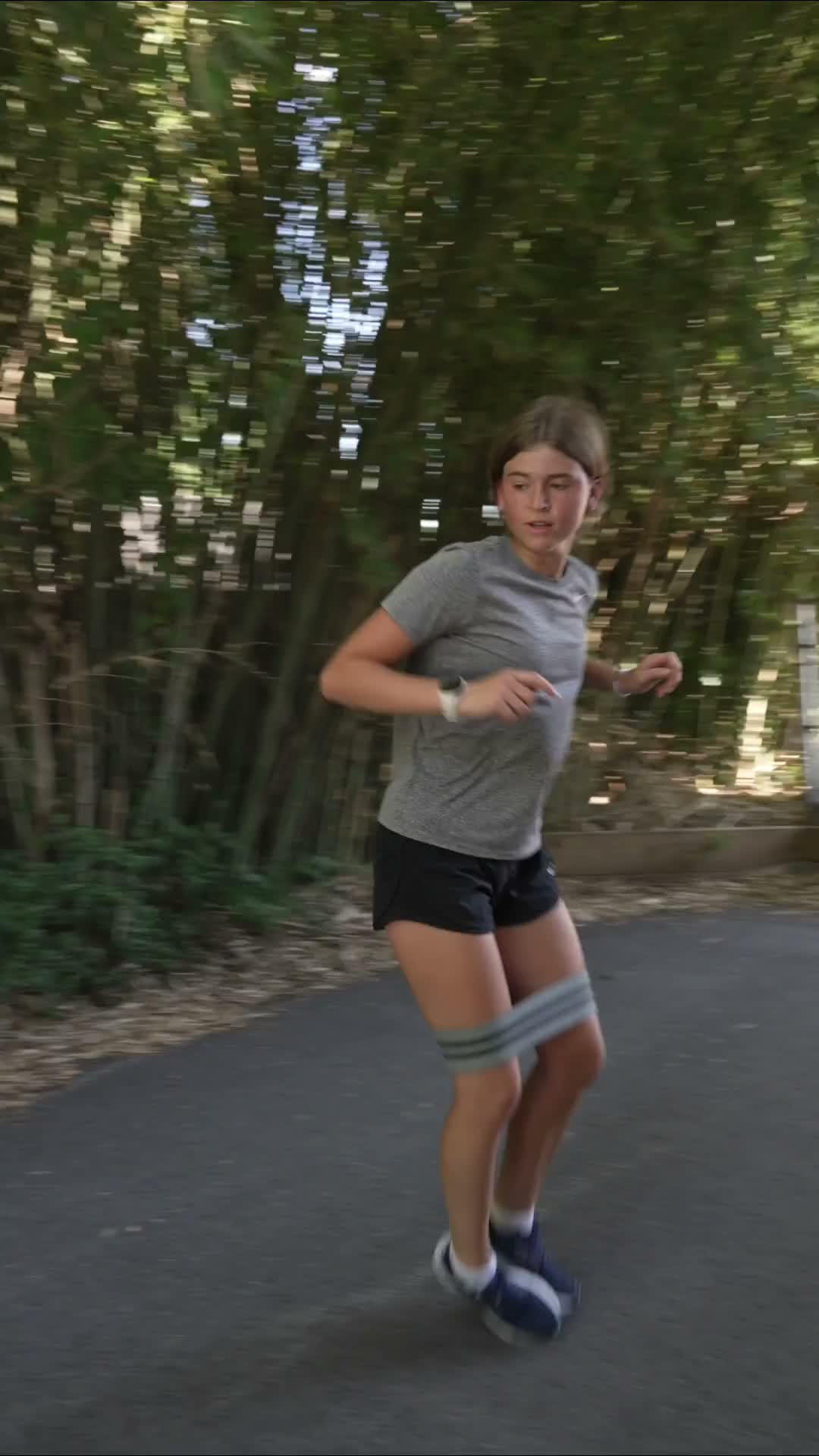
What you see in the clip looks simple, an athlete tapping lit pods as they flash. It is not simple. The pattern is randomized on purpose so Caroline cannot predict where the next light will appear. She has to use her vision to find it, decide quickly, and change direction while keeping her form. Dr. Joel added resisted hip abduction to this same movement, so her hips are working against resistance while her eyes and her brain are making a rapid visual decision, at the same time, the way both have to work together in a real game.
That combination is deliberate. Concussion recovery for an athlete is not just about being symptom free at rest. It is about tolerating exactly this kind of layered demand, vision, quick direction change, and physical exertion, stacked on top of each other, before that athlete is asked to do it again on a field with other players moving unpredictably around her.
Why This Matters for Athletes in Hendersonville and Beyond
We see post concussion syndrome cases regularly here in Hendersonville, and the pattern is consistent. The cases that linger are usually the ones where one piece, often the visual or vestibular side, never got addressed. Caroline’s parents wanted real answers for their daughter, and getting there took a thorough exam and months of consistent work on her part. That timeline was hers. Every case is different, and how long any individual athlete needs depends on what the evaluation actually finds.
Frequently Asked Questions
Why does concussion recovery involve the eyes and inner ear?
The visual system and the inner ear both help the brain track position and motion. A concussion can disrupt how those signals get processed, which is why dizziness, light sensitivity, and trouble with quick head or eye movement often show up together after a head injury.
What is the SCAT6?
The SCAT6 is a consensus evaluation tool used by sports medicine providers to assess concussion symptoms across multiple systems at once, rather than relying on a single test or a single symptom.
Why use resistance bands and light pods together?
Combining a physical demand, like resisted hip abduction, with a visual decision task mimics what an athlete actually has to do on the field, where they are moving, reacting, and exerting effort all at once.
How long does post concussion syndrome recovery take?
It varies by person and by what a thorough evaluation finds. Caroline’s recovery took months of consistent work on her part, but every case depends on which systems were affected and how long symptoms had been present before treatment started.
If dizziness, light sensitivity, or trouble tolerating quick movement have stuck around after a concussion, a thorough evaluation is the place to start. Book a new patient visit and we will work out which systems actually need attention.
Transcript of the video
But that’s why we love this drill because that’s a total random pattern where she can’t predict where it’s going. So she’s got to use all of her senses. She’s got a cut fast and then keep moving through it and maintainer form the whole time and she’s absolutely crushing it still. Let’s go girl.
Nine seconds left. You’ve got 23 hits. and time awesome work house. It had feeling good.
All right. Next piece for her is going to be the jumping lunch.
Leave a Reply