
Reviewed October 2026 by Dr. Jason Hulme DC, DACBSP®, Dip Med Ac
A high ankle sprain can cost an athlete a long stretch of a season, and the surgery that follows is not one standard operation. Dr. Nick Strasser, foot and ankle surgeon at Vanderbilt and Chief of the Foot and Ankle division, spoke at our 2026 conference and described how the sport an athlete is returning to changes the way he stabilizes the injury. Two athletes with the same torn syndesmosis can leave the operating room with different hardware, for reasons that have as much to do with collisions and equipment as with the ligament itself.
What is a high ankle sprain, and why is it not just a rolled ankle?
A high ankle sprain is an injury to the syndesmosis, the ligaments that bind the two lower leg bones, the tibia and the fibula, tightly together just above the ankle joint.
A common ankle sprain tears ligaments on the outside of the ankle, below the joint line, usually from rolling the foot inward. A high ankle sprain sits above the joint, and the mechanism is more often rotation. One of the ligaments involved is the AITFL, the anterior inferior tibiofibular ligament, which crosses the front of the gap between the shin bone and the fibula. When that junction loosens, the ankle widens slightly under load, which is why these injuries are taken seriously and why surgeons often stabilize them.
Why does a football player often get a plate on the side of the fibula?
Because the repair has to survive the next collision. Dr. Strasser described making an incision on the side of the fibula in a large football player and adding a plate to protect the bone.
A common way to stabilize the syndesmosis is a tightrope, also called a suture button or internal button technique. A strong cord is passed through a drill hole in the fibula and the tibia and tensioned between two small buttons, holding the bones in position while the ligaments heal. Drilling that hole, though, leaves the fibula with a hole in it.
So for a football player where I know they’re a high risk of like somebody landing on their leg and getting it rotated that could be a spot that could break.
The plate spreads load across the bone around the drill hole. His reasoning was about what happens to that leg two months later on a field, not only about the repair on the day.
What does “stress riser” mean, and why does it matter?
A stress riser is a place where a change in a structure concentrates force, so load gathers at one point instead of spreading out across the whole.
Think about a sheet of postage stamps. The paper is the same thickness everywhere, but it tears along the row of perforations every time, because that is where the stress collects. A drill hole in a long bone behaves in a similar way.
That pattern turns up elsewhere in the body, which is part of why this conversation interested us:
- In a growing athlete, the growth plate is the softest link in the chain, so it is often the part that gives way before the bone or the tendon.
- Any time one area is made very stiff and very stable, the area next to it is worth watching.
Why is a hockey player’s ankle a different problem?
Because of the skate. The boot comes up tight over the outside of the ankle, the fibula sits close to the surface there, and hardware under that pressure has something pushing on it every practice.
Dr. Strasser described a young patient with an ankle fracture who developed a large bursa, a fluid filled sac that forms where tissue is rubbed repeatedly, on the side of the ankle from the skate passing over the same spot again and again. For a hockey player he said he can lean toward a more internal approach, close to a direct repair of the AITFL, and that it can now be done arthroscopically through small portals. The tightrope or internal button can still be part of it. The forces are different in skating, and the hardware gets chosen with the boot in mind.
How do the two plans compare?
The injury can be identical. The surroundings are not.
| Consideration | Football player | Hockey player |
|---|---|---|
| Main outside risk | Another athlete landing on the leg and rotating it | A stiff skate pressing on the outside of the ankle |
| Approach described | Incision on the side of the fibula, plate added | More internal repair of the AITFL, often arthroscopic |
| Reason | The drill hole is a stress riser in a bone that may take a direct hit | Lateral hardware can rub under the boot |
Where does rehabilitation fit once the surgeon’s part is done?
The surgeon restores the structure. The weeks after that decide how the ankle moves, loads and tolerates sport again, and that is the side we work on.
Our preference is to get motion back as early as the surgeon’s protocol allows, then build strength through the calf, the ankle and the whole leg, then reintroduce the rotation and cutting the sport actually asks for. How any one person progresses depends on the repair, the surgeon’s instructions and the body in front of us, so we do not put a calendar on it in advance. Being able to talk with the operating surgeon about what was done, and why, is part of what makes that work.
Key points
- A high ankle sprain involves the syndesmosis, the ligaments holding the tibia and fibula together above the ankle joint.
- Dr. Strasser chooses fixation partly on the sport the athlete is going back to.
- Drilling the fibula for a tightrope leaves a stress riser, which is why a plate may be added for a football player.
- A skate presses on the outside of the ankle, so hardware there can rub, pushing the plan toward an internal, often arthroscopic repair.
- Surgery restores the structure; the rehabilitation afterward is where motion and strength are rebuilt.
Frequently asked questions
How is a high ankle sprain different from a regular ankle sprain?
A regular sprain injures ligaments on the outside of the ankle below the joint. A high ankle sprain injures the syndesmosis above the joint, where the tibia and fibula are bound together. High ankle sprains are usually slower to settle and are often evaluated with imaging and a surgical opinion.
Does every high ankle sprain need surgery?
No. Many are managed without surgery, and the decision depends on how unstable the joint is, the imaging and the demands of the athlete. That call belongs to the treating surgeon, not to us.
What is a tightrope in ankle surgery?
It is a strong cord passed through a drill hole in the fibula and tibia and tensioned between two small buttons, holding the two bones in the right relationship while the ligaments heal. It is sometimes called a suture button or internal button technique.
When can an athlete start rehabilitation after syndesmosis surgery?
That depends on what was done and what the surgeon allows. In general, we begin with whatever motion and loading the protocol permits and progress from there, which is why we want to know the details of the repair before we start.
If you have an ankle that has not come all the way back, or a syndesmosis repair ahead of you and you want to go into it stronger, book a visit with Active Sports Therapy and we will look at the ankle, the calf and how the whole leg loads. We work alongside your surgeon’s plan, not around it. Our office is in Hendersonville and we see athletes at every stage of this.
Active Sports Therapy · 123 Stadium Drive, Hendersonville, TN 37075 · 615-537-5520
Transcript of the video
How I do it depends a little bit on the sport they’re going back to so, you know, the if you take a football player like a big football player, I’m probably gonna do a little bit more of a surgery and I’m going to put it incision on the side of their fibula. I’m gonna put a plate To protect the fibula because when you drill through it to put that tight rope in it’s a stress, right? Yeah, and so you can then break through that. So for a football player where I know they’re a high risk of like somebody landing on their leg and getting it rotated that could be a spot that could break.
So in a football player, that’s what I’m thinking about hockey a little bit different because they got the skate, you know that comes up tight on their on their on their ankle and thats pretty superficial sometimes. So in that case we can actually do more of an internal repair almost a direct repair of the AI tfl and now we can do water for scopic which is kind of cool. So now you can and you can still use the tightrope or that that indoor button technique and then but you’re you’re you know that the the forces on it are a little bit different and you have to take into consideration. You don’t want to leave them with the plate on the outside that’s rubbing on their skate at the same time because if you’ve ever seen some of these hockey players they have this I had this one kid with ankle fracture and he had this huge Ursa on the side of his ankle because it would just kept rubbing over and over and over again.
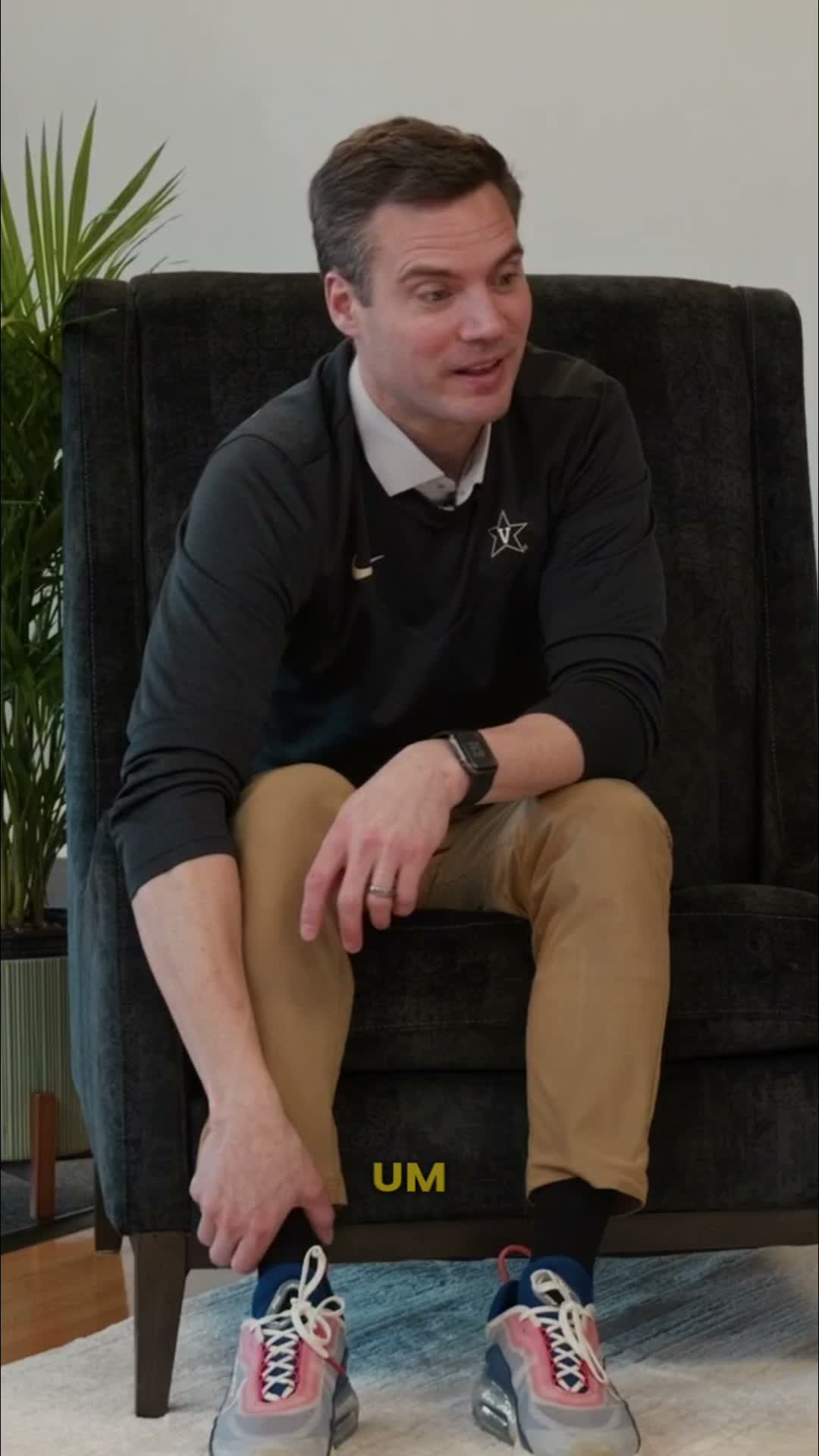
With Dr. Nick Strasser, foot and ankle surgeon at Vanderbilt and Chief of the Foot and Ankle division. See his practice.
Leave a Reply