
If you have had a section of your colon removed, or somebody in your family has, you already know the operation is only the first part of it. Recovery is long, and it can be hard even when the surgery goes exactly the way it was supposed to.
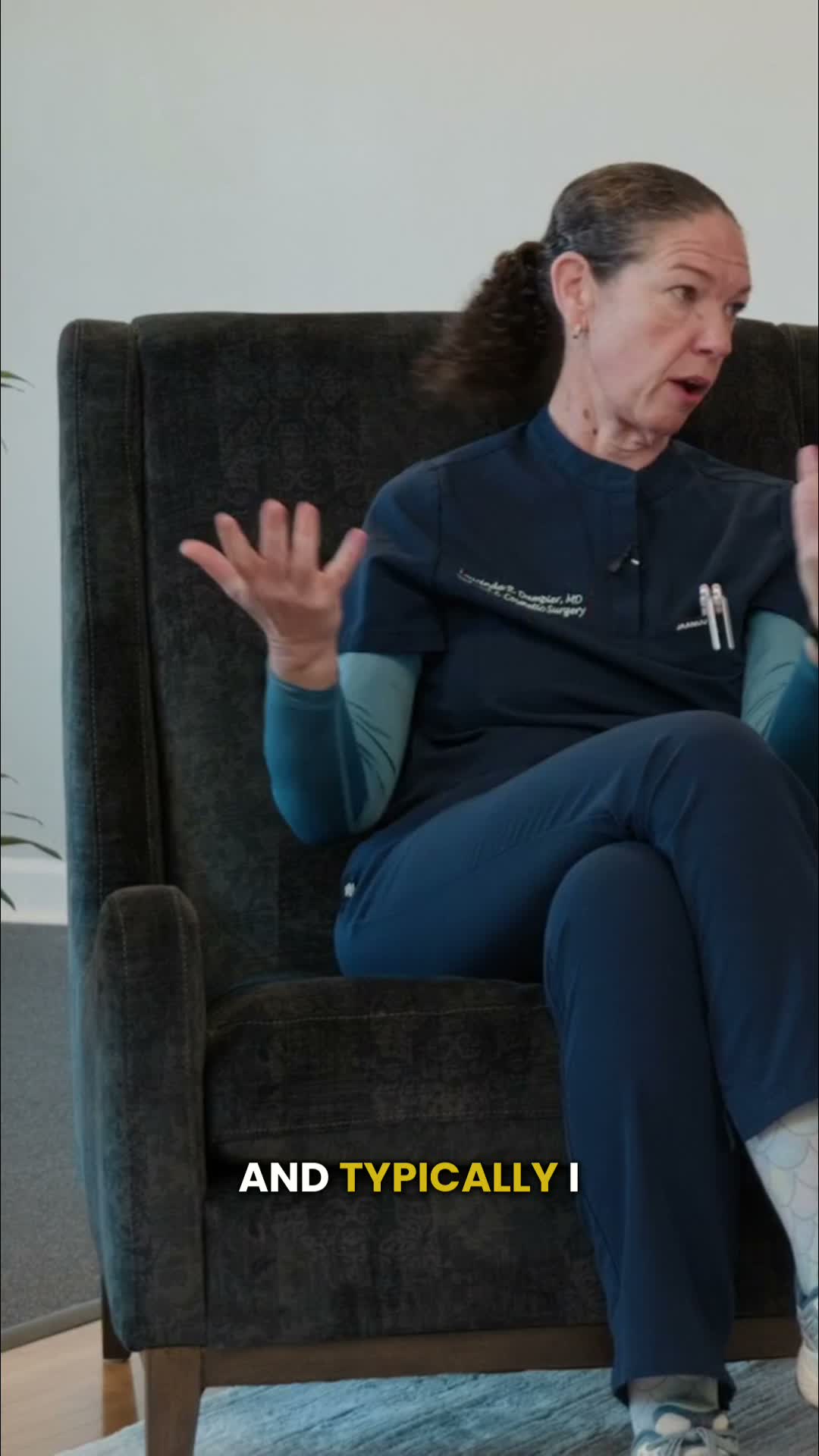
This is from our 2026 Active Sports Therapy conference in Hendersonville, Tennessee. Dr. Loucinda, a visiting physician, spent her session on a topic that is far outside the realm of sports chiropractic: infection, bowel perforation, and the surgeries that follow them.
A topic far outside the realm of sports chiropractic
One of the great things about learning from other expert clinicians is that it brings us together and lets us talk about where our different avenues of expertise sit. We are good at pain, tendon issues, weakness and post-surgical rehab. Dr. Loucinda is good at life-saving surgeries with infection.
Dr. Jason has said that one of the reasons he started Active Sports Therapy was that he did not want to deal with a lot of blood, pus and infection. Dr. Loucinda’s answer was that this is literally all she works with every day. About ninety percent of her job. That contrast is most of what made the session worth sitting through twice.
What she described: resect it, then reconnect it if the conditions are right
Her explanation was plain. If the person is young and healthy, she can often take out the small portion of colon where the infection is and reattach the two ends in the same operation. Her own words for it were “low risk, fairly low risk.”
She was specific about the conditions she wants before she makes that call. The colon should not be completely full of stool. She wants two healthy ends that are fairly similar in size. The blood pressure needs to be good, the vitals need to look right, and the tissue itself needs to be healthy. When all of that lines up in front of her, she said she tends to reconnect it in one surgery.
Think about splicing a garden hose. The two cut ends have to be clean and about the same width, and the pressure behind them has to be steady, or the joint will not hold. That is close to what she is judging while she is standing at the table.
When a colostomy bag is the safer decision
When those conditions are not there, the decision changes. If the blood pressure is low, if the person is critically ill, on steroids, elderly and sick, Dr. Loucinda said that is when they end up with a colostomy bag, or a stoma, for a while. She said they typically look at reversing those around three months later. That is her description of how it usually runs in her practice, not a schedule any one person should count on for themselves.
She also called the conservative route the one that is always available. That is worth hearing plainly. The version with the bag is not the failed version. It is often the version chosen because the tissue in front of the surgeon would not have tolerated the other one.
Where our side of it starts
We do not perform colon resections, anastomoses, colostomies or stoma reversals. Surgeons do that work, and Dr. Loucinda does it in situations where the alternative is much worse. Our part sits on either side of it: assessment, breathing and movement, gradual strength work, and the slow return to activity after somebody has been through a major abdominal operation and a long stretch of being genuinely unwell.
What her session helped us understand is what those patients have already been through by the time they walk into a rehab appointment. Someone who has had an infection, a resection and months with a bag has lost conditioning across the whole body, not only the abdomen. Knowing that changes where we start and how fast we move.
Jason’s takeaway: take care of yourself now
There will be much more from this conference. This one is a good introduction, and it is a reminder to get your colonoscopies and take care of yourself. Exercise. Eat right. Live a chiropractic lifestyle. Eat in a way that keeps inflammation down. Some of the stories Dr. Loucinda shared about recovering from tough cases like diverticulitis were sobering, and she was clear that in some cases it is extremely challenging even when the surgery goes great.
Questions people ask us about this
Does Active Sports Therapy do colon surgery?
No. We are a sports chiropractic and rehabilitation clinic. We do not perform surgery, imaging or injections. Our work is assessment and rehabilitative care, including the movement and strength work people often need after a major operation.
Why do some people end up with a colostomy bag and others do not?
Dr. Loucinda described it as a decision made from the conditions in front of her: how healthy the tissue is, whether the two ends are similar in size, whether the colon is full, and how stable the person’s blood pressure and vitals are. When those factors are not favorable, a stoma is the safer route for that person.
Does a colostomy bag stay for good?
Not always. She said that in her practice they typically look at reversing them around three months later. Whether that happens, and when, is a decision for the surgeon involved and depends on the individual.
Why is recovery so hard even when the surgery goes well?
Because the illness is not only the operation. Infection, hospital time, medication and weeks of low activity all take conditioning with them. That is the part that often needs structured rehab afterward rather than just time.
If you are rebuilding after abdominal surgery
If you are on the other side of a major abdominal operation and you feel weak, stiff and unsure where to begin, we are glad to look at where you are now and build the work up from there. Book a new patient visit with our Hendersonville office and we will start with an assessment, not a program off a shelf. We will also keep working alongside the physician handling the surgical side of your care.

Leave a Reply