
Reviewed October 2026 by Dr. Jason Hulme DC, DACBSP®, Dip Med Ac
If a tendon starts hurting while you are taking a fluoroquinolone antibiotic, do not wait a week to see whether it settles. The instruction Dr. Loucinda gives her own patients is to stop the medicine and tell her immediately. This class of antibiotics, which includes ciprofloxacin, levofloxacin, moxifloxacin, ofloxacin and norfloxacin, carries a rare association with tendon injury and rupture, and the point of saying it out loud is so the patient recognizes it early.
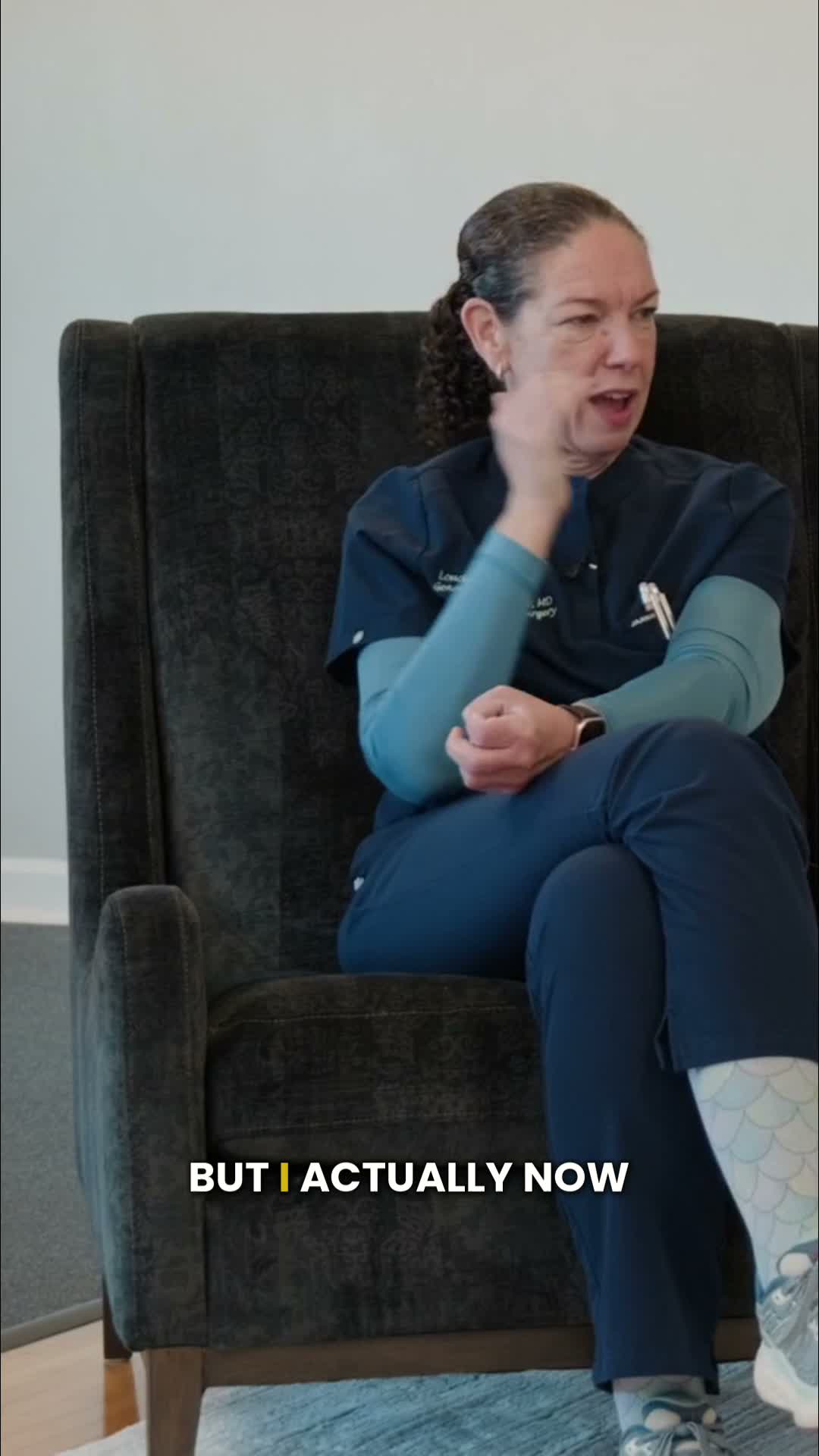
Dr. Loucinda is a visiting physician who spoke at the 2026 conference hosted by Active Sports Therapy. The reasoning in this piece is hers, and what made the clip worth keeping is that she explained the prescribing side honestly rather than reassuringly.
What should I do if my Achilles hurts while I am on an antibiotic?
Stop and contact the doctor who prescribed it, the same day if you can.
- Note when the pain started and whether it began after the antibiotic did.
- Stop loading the tendon. No runs, no jumping, no golf swing to test it.
- Call the prescribing doctor and say which antibiotic you are taking and where it hurts.
- If you felt a sudden pop or you cannot push off the foot, that is an urgent assessment, not a next week problem.
Dr. Loucinda mentioned that she tells patients about pain in the Achilles or the shoulder joint, and that she says joints rather than naming tendons because most people do not know the difference. A tendon, in plain words, is the rope of tissue that ties a muscle to a bone. The Achilles is the thick one at the back of the heel.
Why would a doctor prescribe a drug she says she does not love?
Because sometimes the alternatives are not available to that patient, and the infection still has to be treated.
if they have a penicillin allergy and a Catholic allergy to where now I’m boxed in and I’m a little bit more limited in my choices
She was describing a patient with a documented penicillin allergy and at least one other allergy on top of it. Her line about the warning that appears on her screen was blunt: yes, she is sure, but the patient is allergic to six other things. When somebody is down from an infection, the infection has to go. In that situation the honest move is not to pretend the risk away, it is to name it and tell the patient exactly what to watch for. She also noted that prescribing in this class has dropped sharply, and that newer antibiotic options have arrived over the years [verify: which agents Dr. Loucinda meant, she covers this in a later clip].
Why does the rupture so often happen during something ordinary?
This part is our own observation in rehab rather than hers, and it is the pattern that sticks with us.
We have seen tendon rupture immediately following these medicines more than a handful of times over the years in our own practice. Somebody goes out and takes a golf swing they have taken many hundreds of times, and the tendon gives way. They were otherwise healthy, and then boom. Picture a rope that has been quietly frayed somewhere along its length. The load that finally parts it is not a heroic load at all, it is the same load the rope carried last month, and that is exactly why these cases feel like they came out of nowhere. Dr. Loucinda’s framing was that the concern is toxicity to the type one collagen that tendon is built from, in the small number of people it affects.
What does informed consent sound like when you are sick with an infection?
Short, specific and repeated, because a sick person is not in a good position to ask the right questions.
That is the part of the conversation we keep coming back to. When you are unwell, it is extremely difficult to know what to ask. You want the infection gone and you want to go home. Building good informed consent in that moment falls almost entirely on the doctor in the room, which is why having a physician like Dr. Loucinda who volunteers the risk, names the symptom and gives a clear stop instruction matters so much. She said she counsels patients on it now even though the event is rare.
Who handles what after a tendon ruptures?
The physician manages the infection, the surgeon makes the repair decision, and we handle the rehabilitative care around it.
We do not prescribe antibiotics and we do not perform surgery. Our part in Hendersonville is the assessment, preparing somebody for a procedure where there is time to, and the rehab afterward that decides how well the result holds up. Corrective exercise, loading the tendon in stages, movement retraining and the physical agent modalities that fit the stage of healing. That handoff works best when everybody in it is accurate about their own piece, which is the reason we host conversations like this one at all.
Key points
- New tendon or joint pain on a fluoroquinolone is a same day phone call, not a wait and see.
- Dr. Loucinda calls the risk rare and counsels every patient on it anyway.
- Multiple antibiotic allergies can leave a prescriber with very few usable choices.
- Ruptures are often reported after an ordinary movement, not an unusual one.
- Our role sits before and after the medical care: assessment and rehab.
Frequently asked questions
Should I stop my antibiotic on my own if my tendon hurts?
Dr. Loucinda’s own instruction to her patients was to stop it and tell her immediately, so the stopping and the phone call happen together. Contact the prescriber the same day, because an unfinished course of antibiotics is its own problem that needs managing.
Are these antibiotics ever the right choice?
Yes. They are used because they cover infections other drugs may not, and many people tolerate them without any tendon trouble. The conversation in this clip was about consent and early recognition, not about avoiding the class.
I ruptured a tendon on a golf swing. Was the antibiotic the cause?
Nobody can tell you that from a caption or an article, and the honest answer usually involves timing, history and what the tissue looks like on examination and imaging. Bring the name of any antibiotic you have taken recently to the appointment, because it belongs in the history.
What does rehab after a tendon rupture involve?
It depends on the tendon, on whether it was repaired surgically and on where you are in healing. Broadly it moves from protecting the tissue, to restoring range of motion, to loading the tendon progressively, to getting back to the specific thing you want to do. Timelines belong to the individual case, not to a general rule.
If a tendon has been sore since a course of antibiotics, or you are rebuilding after a rupture or a repair, we are glad to look at it with you and coordinate with the doctor managing the medical side. Book a new patient visit and bring your medication history with you.
Active Sports Therapy · 123 Stadium Drive, Hendersonville, TN 37075 · 615-537-5520
Sources
- U.S. Food and Drug Administration, FDA Drug Safety Communication: FDA updates warnings for oral and injectable fluoroquinolone antibiotics due to disabling side effects. fda.gov
- U.S. Food and Drug Administration, Fluoroquinolone Antimicrobial Drugs Information. fda.gov
Transcript of the video
funny enough now like every time I go to write Cipro like if they have a penicillin allergy and a Catholic allergy to where now I’m boxed in and I’m a little bit more limited in my choices. Every time I write Cipro I tell the patient look I don’t love this drug. It comes with a risk of tendon rupture. If you start to feel pain, you know in your Achilles or your shoulder joint.
I just tell him joints because most people don’t know the difference. You need to let me know and stop it immediately. Um, it’s rare, but I actually now counsel them on that. That’s awesome because you don’t know who that person is going to be and it happens very quickly for them when it does happen.
But we also are prescribing practices have plummeted in the floor quinolones and like at my hospitals if I order a fork when alone I will get this little pop-up window on the EMR that says are you sure these are associated with the risk of blah blah and like, you know, well, yeah, I’m sure but there are allergic to six other things, you know, right? What do you want me to do? Yes, but it’s You’ve seen it go down because our prescribing practices have radically.
Leave a Reply