
If colorectal cancer runs in your family, the age for a first colonoscopy is usually earlier than it is for someone at average risk, and the exact age is a conversation with your physician rather than a number you pick off the internet. Dr. Jason had his first at 30 because of his family history. Seven polyps were found. That is his story, not a prediction about yours, and it is the reason he brings the subject up at all.
Why did Dr. Jason go at 30 instead of waiting?
Family history. Colorectal cancer sits in his family, and that moved his first screening well ahead of the standard starting age. The seven polyps found that day are the reason he does not treat the appointment casually now.
Polyps are small growths on the lining of the colon. Most are harmless, but some types can change over time, which is the whole logic of looking early and looking again on a schedule.
Why did he then wait almost ten years for the next one?
He was told to come back every five years, and he did not. A high deductible plan made each year an easy one to push, and he ended up waiting until he was close to 40.
He tells that part deliberately, because it is the ordinary reason people fall off a schedule. Not fear of the procedure, not disagreement with the advice, just the cost landing in a month where something else needed the money. It is worth knowing that is how it happens, so you can see it happening to you.
Does it matter who performs the colonoscopy?
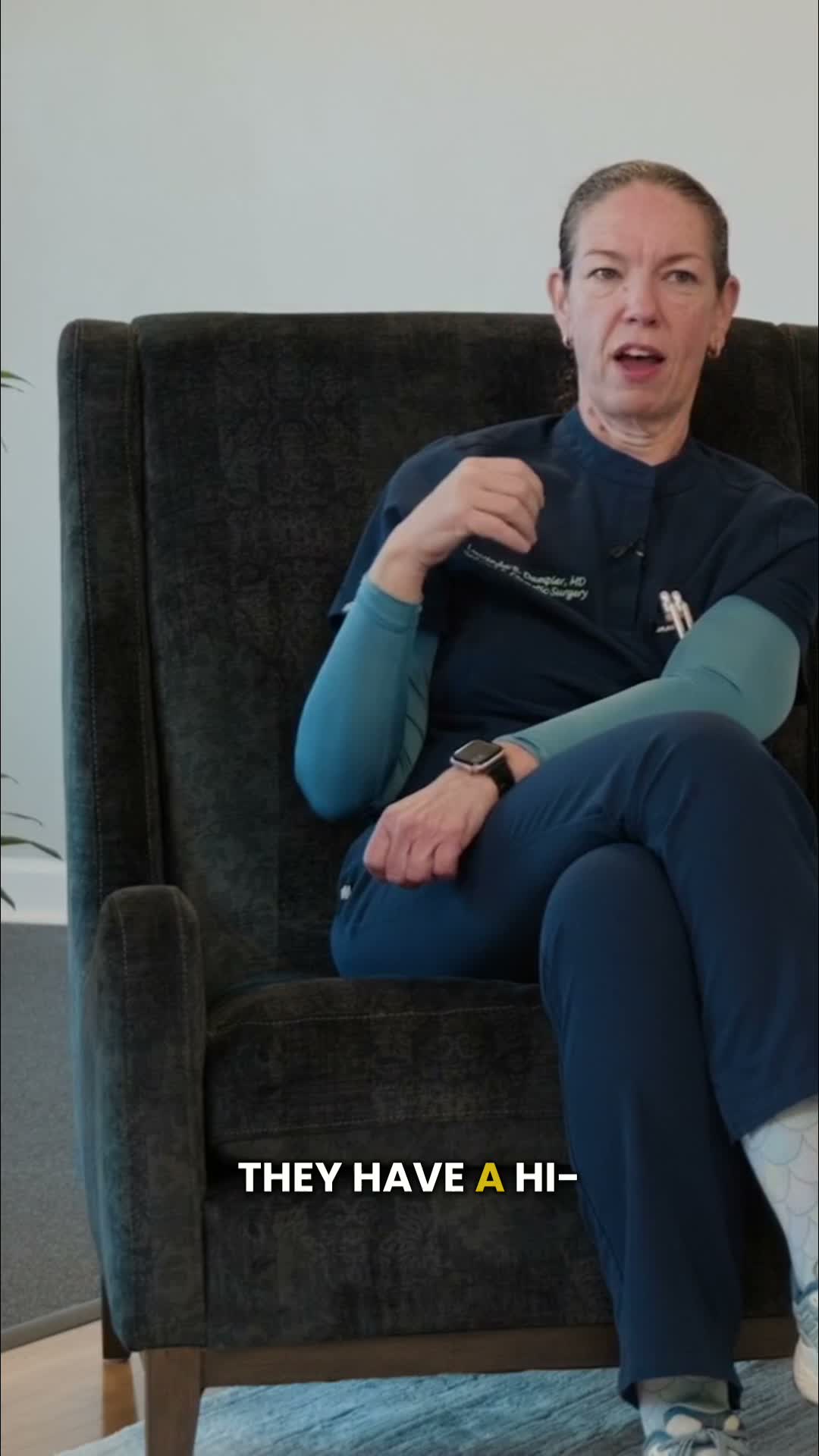
His view after meeting Dr. Loucinda is that it is worth knowing your options. She is a general surgeon in private practice who also performs colonoscopies, and that combination is what caught his attention.
His reasoning ran like this. Perforation during a scope is rare, but when it happens, the person called in to repair the colon is usually a general surgeon, because bowel repair is routine work for them. Having that skill already in the room is a reasonable thing to value. We are not in a position to say one arrangement is better than another, and we do not perform the procedure ourselves. We are passing along the thinking of a clinician we respect.
What does a sports chiropractic office have to do with any of this?
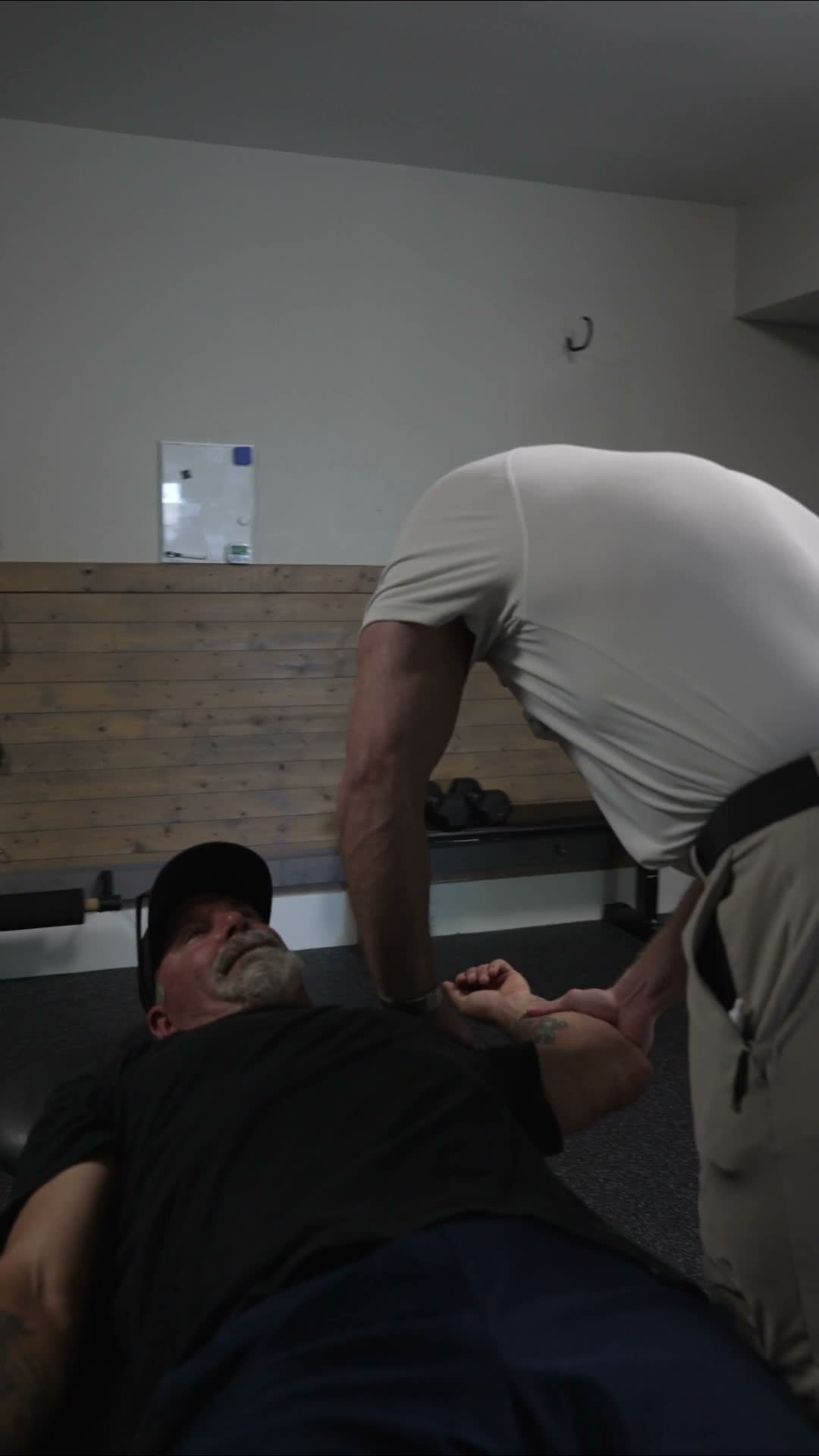
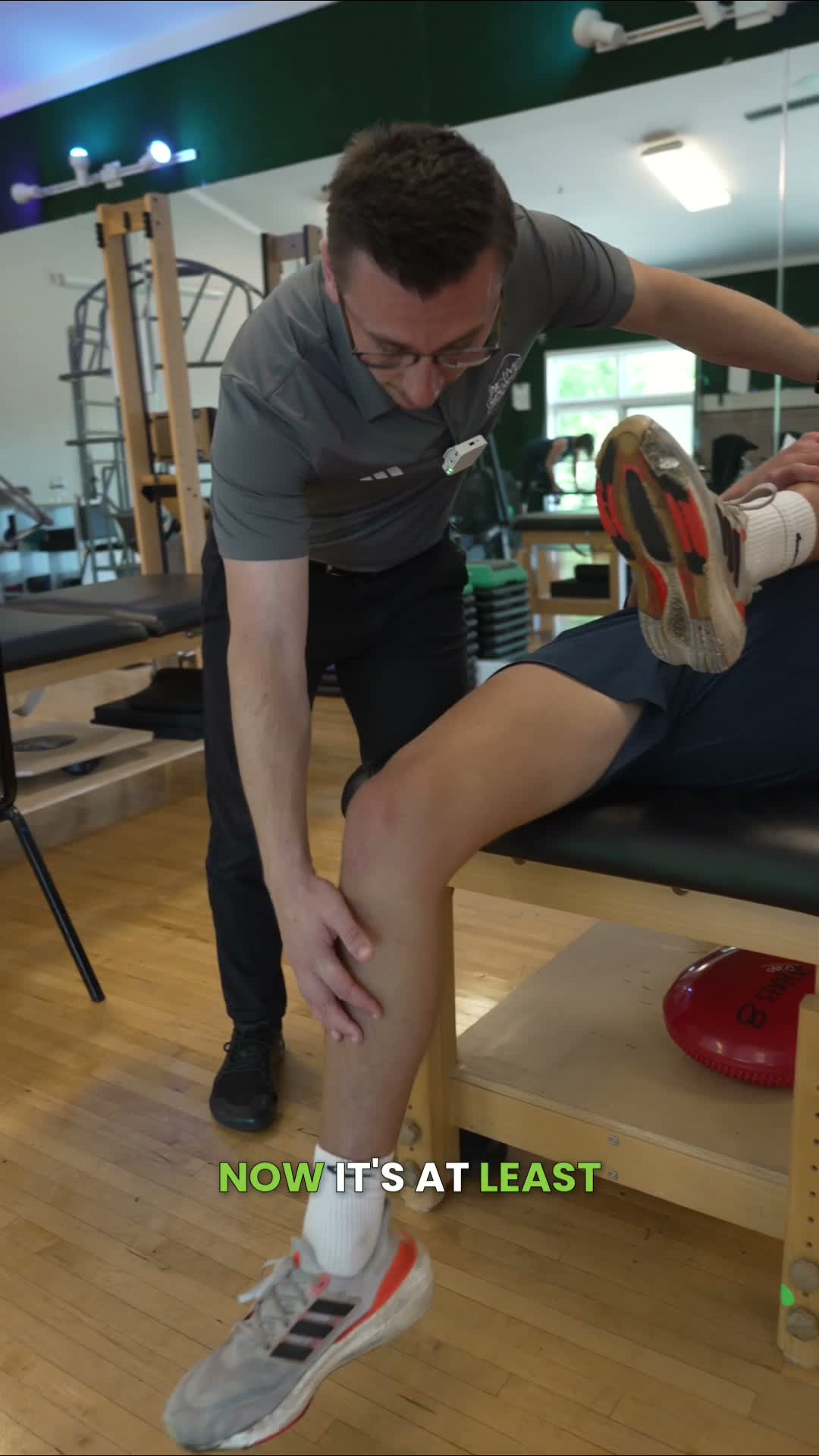
Our part is recognizing what is not musculoskeletal and getting the person to the right place. Over the past month our referrals out have included lipomas, hernias and colonoscopies.
That is why we bring surgeons into our conferences. Dr. Loucinda taught us about diverticulitis, the randomness of who gets infected, and the dietary differences behind it, and she is excellent to work with from a co-management perspective. We consider her a strong ally to the Hendersonville and Gallatin communities.
Alongside that, we advocate for the chiropractic lifestyle: mind, body and spirit. Daily exercise, calories set to what you are actually trying to do, whether that is building muscle alongside a heavy lifting routine, maintaining, or losing, and good rest. Most of it is what you were taught in kindergarten about which foods and drinks serve you. The hands-on side of that at the clinic is expert guided rehabilitative exercise.
Key points
- Screening age depends on your personal and family history, and your physician sets it.
- Dr. Jason went at 30 because of a family history of colorectal cancer; seven polyps were found. That is his account, not a typical result.
- A high deductible plan is a common reason people delay a follow up scope.
- Dr. Loucinda, a general surgeon, performs colonoscopies in her own practice; a general surgeon is typically the one called if a colon is perforated during a scope.
- Our role is assessment, conservative care and referral. We do not perform colonoscopies or surgery.
Frequently asked questions
At what age does colon cancer screening usually start?
For people at average risk, guidance from national bodies sets a starting age that has moved earlier in recent years. A first degree relative with colorectal cancer commonly moves it earlier still. Ask your physician for the age that applies to you. [verify: current USPSTF and ACG starting ages before publishing]
What are polyps, and are they always serious?
Polyps are growths on the inner lining of the colon. Many are harmless, but certain types can change over time, which is why they are removed and why repeat screening is scheduled.
Who performs colonoscopies?
Gastroenterologists most often, and general surgeons also perform them. Dr. Loucinda does both general surgery and colonoscopies in her private practice.
Can a chiropractor order a colonoscopy?
No. What we can do is notice when a complaint is not coming from the musculoskeletal system and refer you to a physician who can work it up properly.
Book a visit
If something in your back, hip or shoulder has not settled and you want a thorough assessment, book a new patient visit. We will take a full history, tell you what we think is going on, and say so plainly when the right next step is a referral rather than care in our office.
Active Sports Therapy · 123 Stadium Drive, Hendersonville, TN 37075 · 615-537-5520
Sources
- US Preventive Services Task Force. Screening for Colorectal Cancer: Recommendation Statement. https://www.uspreventiveservicestaskforce.org/uspstf/recommendation/colorectal-cancer-screening
- Shaukat A, et al. ACG Clinical Guidelines: Colorectal Cancer Screening 2021. American Journal of Gastroenterology. https://pubmed.ncbi.nlm.nih.gov/33657038/
- Strate LL, Morris AM. Epidemiology, Pathophysiology, and Treatment of Diverticulitis. Gastroenterology. 2019. https://doi.org/10.1053/j.gastro.2018.12.033
Transcript of the video
what we know in Asia is that if you’re if you’re if you are born in Japan and China and grow up there, you will probably never have diverticular disease. We think it’s all diet and environmentally related. Once in Asian person moves to America by the second generation. They have the same risk, we do which makes us feel fairly confident that it’s a dietary lifestyle issue.
But their idea in Asia of normal bowel function is what most Americans would consider diarrhea. They have a heavy diet of Fish and Rice and water. And so we think environmentally it’s that Americans are very much a meat and potato population. We don’t need a lot of fiber we develop pretty hard stools that interval pressure of the colon increases and then these weak spots are more likely now.
In terms of why they get infected. Nobody knows I mean you can have 1,000 and never have diverticulitis. You could have one and I could be doing an operation on you in the middle of the night. There’s seems there’s no Rhyme or Reason they are.
Leave a Reply