
Most children with an eye turn never say a word about it. The brain suppresses the eye that does not line up, the double vision goes away, and the complaint goes with it. The condition stays. It just shows up in how the child moves instead of in what the child says.
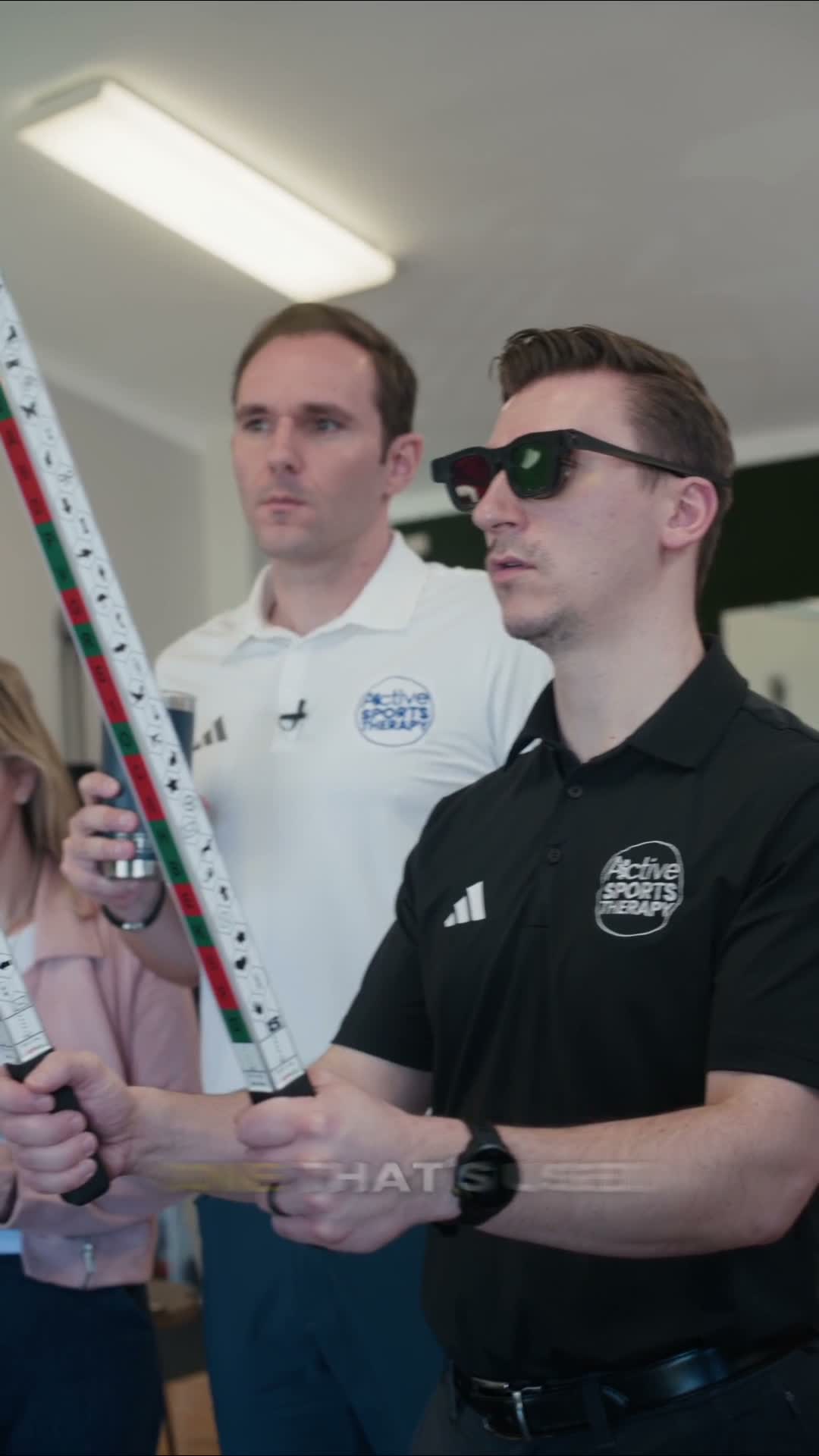
That was the thread visiting physician Dr. Dan Kelly pulled on at the Active Sports Therapy 2026 conference, using Dr. Jordan, a chiropractor who was in the room, as the example.
Why does a child with an eye turn rarely complain?
Because suppression removes the symptom that would make them speak up. Two eyes aimed at different targets would normally produce double vision, so the brain stops listening to one of them.
Dr. Kelly described suppression as the binocular column never getting built. Binocular vision is the pairing of both eyes into one image with depth in it, and when one eye is switched off early, that pairing may never form. Nothing hurts. From the inside, the world looks the way it has always looked.
What does eye suppression look like away from an eye chart?
It looks like a side that keeps getting missed. If the right eye is the one carrying the picture, everything on the left takes a turn of the head to locate.
- Bumping into a door frame or furniture on the same side, over and over
- Noticing something on one side later than everyone else does
- A habitual head turn or tilt when looking at something
- Closing or covering one eye when concentrating
- Trouble judging how far away a ball is, particularly at speed
Dr. Kelly was clear that an eye turn affects how a person moves, not only how they read. Depth and awareness on one side are part of the same system that tells a body where to put its feet.
Why did Dr. Kelly tell coaches to think about field position?
Because the field can be arranged around the eye the athlete actually uses. If he were coaching Dr. Jordan, he said, he would want him on the left side of the field, because from there he would see the most of it.
Dr. Jordan’s reaction was immediate. Playing on that side had been so much easier, and he had worked that out on his own as a soccer player without ever being told why. Dr. Kelly also described the apology a coach owes an athlete in that position, for asking them to do something their body was not able to do. That is why he says coaches need to know this material.
On what is realistic, he hedged openly, and we are going to hedge with him:
We might not ever get fusion. But I want him to learn how to alternate eyes.
When should a child’s eyes be checked, and by whom?
Early, and by somebody who tests how the two eyes work together, not only how each one reads letters. The US Preventive Services Task Force recommends vision screening at least once for children between three and five years old.
- Book a comprehensive exam rather than relying on a letter chart screening alone.
- Say out loud what you have noticed: the side things get missed on, the head turn, the eye that drifts.
- Ask specifically whether the eyes are teaming, and whether one is being suppressed.
- Pass what the exam finds along to the coach, because position on the field is a decision somebody is making either way.
Dr. Kelly’s emphasis throughout was that this is easier to work with when a child is young, and tough when it is found later in the game. That is the case for screening, and for screening with a specialist who works in pediatric vision.
Where does a sports chiropractic and rehab office fit into this?
Not in the eye exam. The red green glasses, monofixation, binocular field patching and eye patching Dr. Kelly described are his tools and his colleagues’ tools. We do not provide any of them.
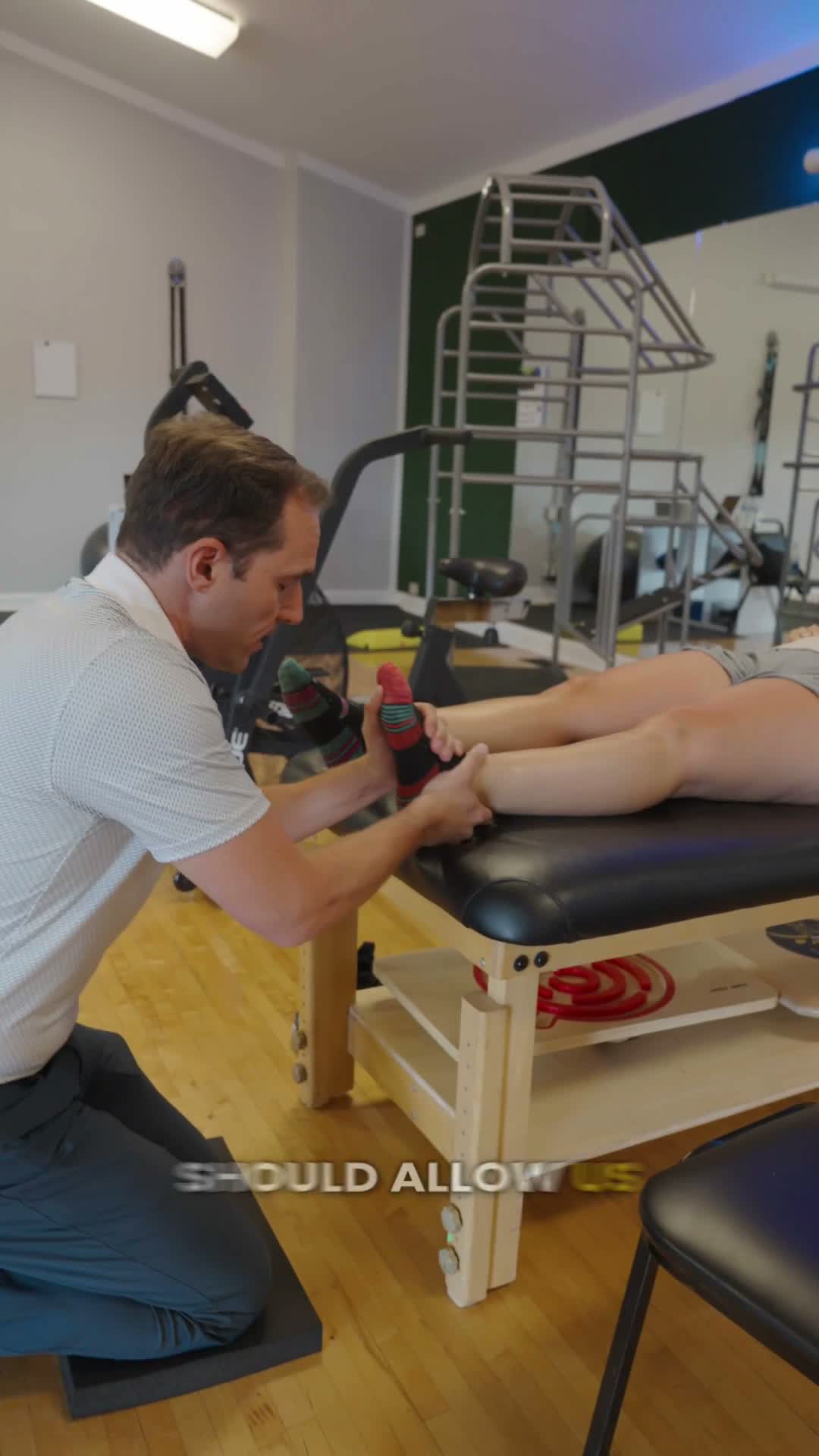
What we do see is the movement side. When somebody consistently rotates to find what is on one direction, or always scans the same way, that pattern turns up in an assessment of how they move. Our part is the assessment, the rehabilitative and therapeutic care that follows, and knowing which specialist to send somebody to when the answer is not a muscle or a joint. Being in the room for conversations like Dr. Kelly’s is how that referral gets made accurately.
Key points
- Suppression removes double vision, so children with an eye turn usually do not complain.
- The effect shows in movement: a side that gets missed, a head turn to find things, bumped door frames.
- Dr. Kelly’s coaching suggestion was to position the athlete so the field opens toward the eye in use.
- Dr. Jordan reached that answer on his own in soccer, and learned the reason years later.
- Screening early matters, because Dr. Kelly described this as tough to influence later on.
Frequently asked questions
Why does my child keep bumping into things on one side?
There are several possible reasons, and one of them is that the brain is suppressing the eye on that side, so things over there are noticed late. A comprehensive eye exam can tell you whether the eyes are teaming. Mention the side specifically when you book it.
Can a child have good chart vision and still have this?
Yes, that can happen. A chart tests how clearly each eye reads on its own and does not test whether the two work as a pair, so a child can pass and still be suppressing an eye.
At what age should a child’s eyes be examined?
The US Preventive Services Task Force recommends screening at least once between ages three and five. If you are already noticing a drifting eye, a head tilt or a side that gets missed, that is a reason to arrange an exam rather than wait.
Should I tell the coach?
Dr. Kelly thinks so, plainly. His whole point was that coaches need to know this, because field position and the instructions an athlete is given depend on what that athlete can actually see.
If your athlete is always turning to find what is on one side, or a kid in your house keeps missing the ball from the same direction, we are glad to look at how they move and help you get to the right specialist. Book a new patient visit at our Hendersonville office and we will start with an assessment.
Active Sports Therapy · 123 Stadium Drive, Hendersonville, TN 37075 · 615-537-5520
Sources
- US Preventive Services Task Force. Vision in Children Ages 6 Months to 5 Years: Screening. 2017. uspreventiveservicestaskforce.org
- American Association for Pediatric Ophthalmology and Strabismus. Strabismus. aapos.org/glossary/strabismus
- American Association for Pediatric Ophthalmology and Strabismus. Amblyopia. aapos.org/glossary/amblyopia
Transcript of the video
Gordon has a condition called strabismus and his brain. Has learned to suppress his weak. I so when he uses these this is these are called red green glasses or training glasses. What it’s working on is called mfb monofixation and binocular field patching is you usually used by your pediatric ophthalmologist.
I use it as well and you have a lazy eye. The problem with it is you’re taking the better eye and it’s like you’re putting it into time out. So the good kid who does all the good stuff now is in trouble because of the back kid, and so we’re now trying to make the bad kid better, but they’re never learning to work together. So that’s what suppression is.
It’s not creating this binocular column in the in the brain. So when he uses these glasses just like on that test where you see in two and three not four lights. He’s only seeing what color or which I Rhett is it this I yeah, so the right eye is the one that’s used the left eye isn’t so this is a kid where like if he was my patient as a kid, I would go. Okay.
We might not ever get Fusion. But I want him to learn how to alternate eyes for you because it’s that hard to fix it is tough especially if they’re later in the game and effects like how he’s going to move. So if he really likes his right eye things on his left side. He’s gonna have to rotate to get to and he’s going to be more on aware of things on his left side because the left eye is turned down that makes sense.
That means they more likely to run into a door frame on the left. Yeah. What a change like position where you play like in on the field? Okay, I wouldn’t change I would if I was a coach I would say, okay, I would want you on the left side of the field because you would see the most to that later on.
Yeah. It was like was it easier for you so much easier. So that’s where like coaches need to know this stuff. He goes I gotta apologize with you.
I was trying to tell you something to do that you were your body was not able to.
Leave a Reply