
Reviewed September 2026 by Dr. Jason Hulme DC, DACBSP®, Dip Med Ac
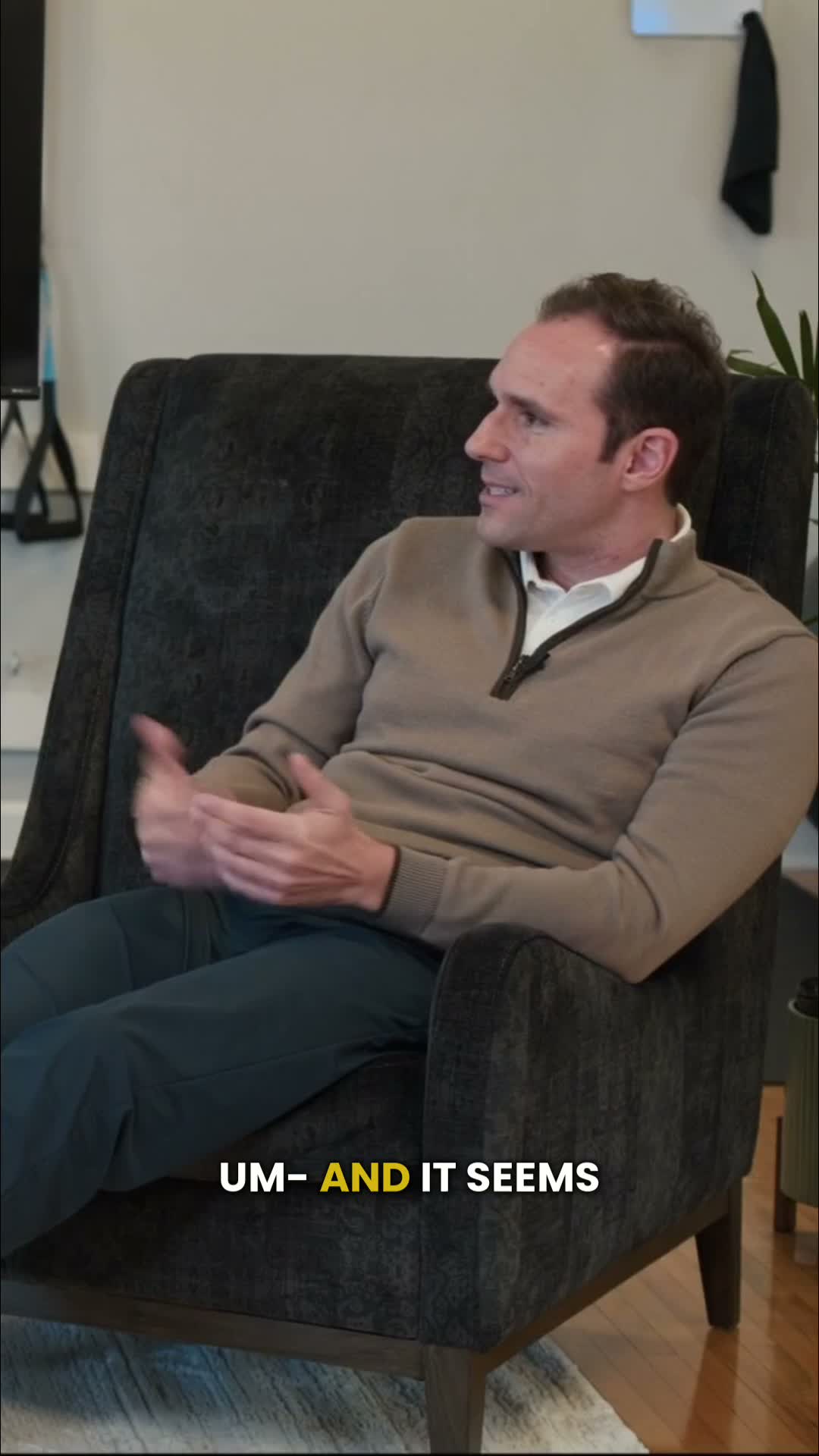
If bending your big toe hurts and the joint feels like it hits a wall at the end of the range, the usual reason is hallux rigidus, which is arthritis of the big toe joint. The most useful first move is conservative care that opens the motion and then trains you to keep it, because once the joint has been operated on the choices that remain get narrower. That was the thread running through a conversation between Dr. Nick Strasser, a sports orthopedist, and Dr. Jason at the 2026 conference.
Why does one stiff toe change the way the whole foot works?
The big toe is the last thing to leave the ground when you walk. If it will not bend upward, the rest of the foot and leg has to find another way through the step.
In school we are taught how important the big toe is to the normal mechanics of the foot: how it lets you roll over the front of the foot, how it lets you run, how a push off is supposed to go. When the joint is arthritic and painful, people quietly stop bending it. They roll off the outside of the foot, shorten the stride, or turn the foot out. None of that is a catastrophe on its own, but it is why a joint the size of a quarter can change how an entire leg feels at the end of a long day. Hallux limitus is the earlier version of the same problem, where motion is reduced but not yet gone.
What is the traditional surgery, and why does the stiffness often come back?
Dr. Strasser described a cheilectomy, an operation where the bone spur on top of the joint is taken down and the rest of the joint is left in place. It often moves beautifully in the operating room. It does not always stay that way.
His account was direct. Under anesthesia the range of motion is fantastic, the incision is closed, recovery begins, and then the patient comes back a couple of months later and it can look like nothing was done. Some return a few years out with the toe sitting back where it started.
that toe has a memory and it’s just going to go back to that range of motion
That phrase is his. Dr. Jason said the same pattern has shown up on the rehabilitation side across eighteen years of practice: it is rare to see a case where a large gain in big toe motion simply stays without ongoing work. Neither of them offered that as a reason to avoid surgery. They offered it as the honest state of the problem.
How do we open big toe motion and then try to keep it?
We work in three stages: open the range, then spend time living in the new range, then load it.
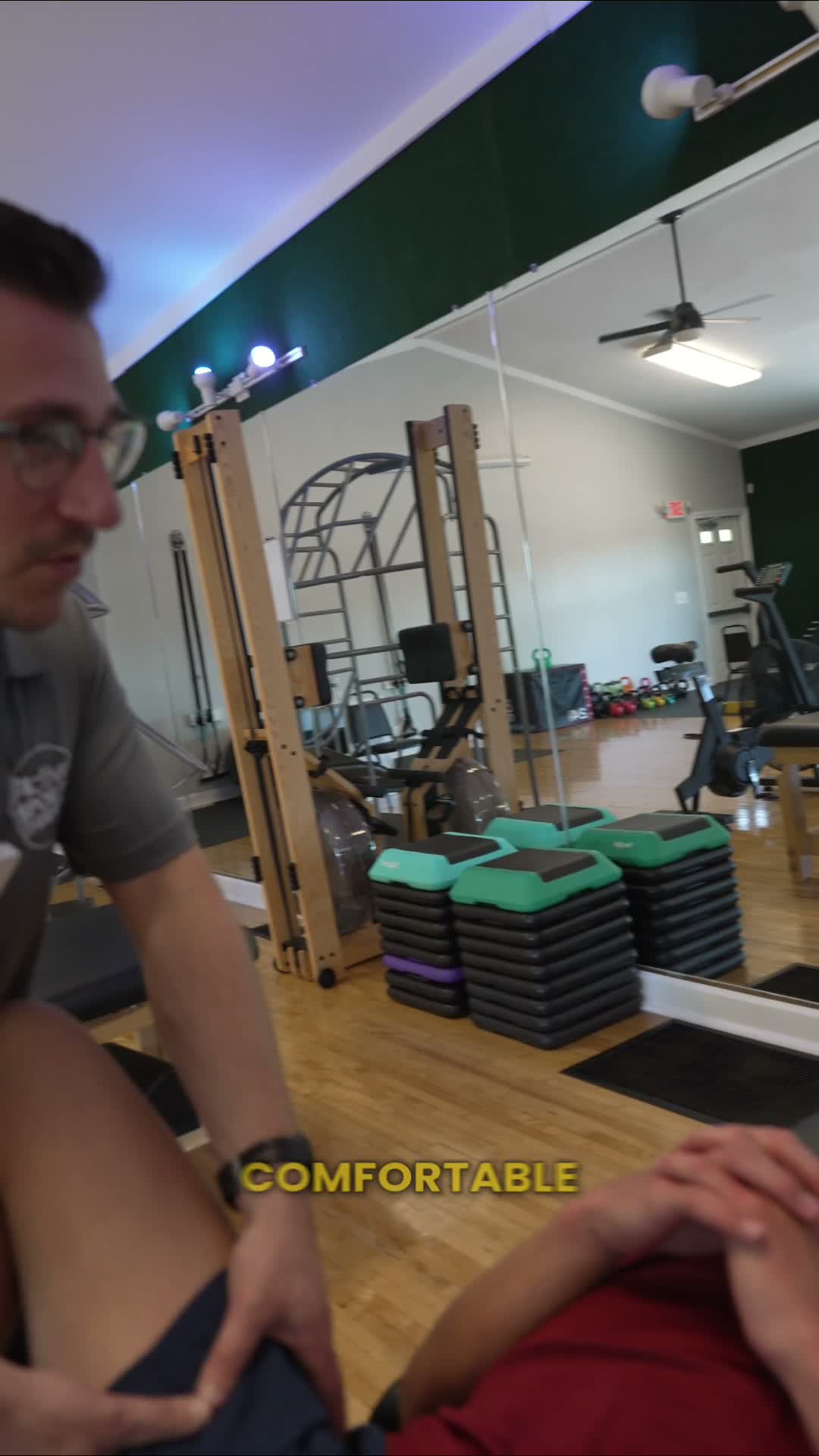
- Restore as much motion as the joint will give up, using whatever tools fit the case: dry needling, soft tissue work and scraping, manual adjustments and joint mobilization, shockwave therapy.
- Stretch into the range that was just opened, so the tissue spends real time in a position it has not visited in a long while.
- Strengthen at the ends of that range, because a range you can control under load is one the body is more likely to hold on to.
That last step is the one people skip. Passive motion that nobody trains tends to drift back, the way a door forced open still swings shut if nothing holds it there. At Active Sports Therapy we treat hallux rigidus as one of the more stubborn cases in the building, and we would rather say that plainly than imply a stiff arthritic toe behaves like a fresh ankle sprain.
What does each surgical option trade away?
Every option buys something and gives something up. These procedures are performed by surgeons. Our part is the assessment beforehand and the rehabilitative care afterward.
| Procedure | What it does to the joint | What it trades |
|---|---|---|
| Cheilectomy, spur removal | Takes down the bone spur at the top of the joint and leaves the rest of the joint in place | Keeps motion at first, though Dr. Strasser described stiffness returning for many patients over time |
| Fusion, arthrodesis | Joins the two bones so the joint no longer moves | Motion at that joint is gone, and a firm carbon fiber plate in the shoe usually becomes part of daily life |
| Arthroplasty or implant | Resurfaces or replaces part of the joint, which Dr. Strasser said podiatrists have been more likely than orthopedic surgeons to consider | Aims to preserve motion, and he was clear that no perfect solution has arrived yet |
Dr. Jason used the knee as a comparison. A total knee replacement is essentially a resurfacing of the joint, and the same idea is being pursued at the big toe. Dr. Strasser said there is real appetite and a real need for a better device, while being candid that the question is not settled. That is what expertise sounds like: the higher the level, the more willing somebody is to say that it is complicated.
Key points
- Hallux rigidus is arthritis of the big toe joint; hallux limitus is the earlier, less restricted version.
- Dr. Strasser described great motion under anesthesia after a cheilectomy, with stiffness often returning later.
- Fusion reliably addresses the joint but ends motion there, and usually means a stiff plate in the shoe.
- Implant and arthroplasty options are being explored, with no settled answer yet.
- Conservative care aims to open motion, stretch into it, and strengthen at the end ranges to help hold it.
Frequently asked questions
Why does my big toe hurt most when I push off?
Push off asks the big toe to bend upward under your body weight. If the joint surface is arthritic or a spur is blocking the top of the joint, that is the exact moment the joint runs out of room. Many people start shortening the stride or rolling to the outside of the foot to avoid it.
Can exercise open up a stiff big toe?
Motion work often helps, and how much it helps depends on how much joint surface and capsule you still have to work with. The part people miss is that opening the range is only the start; stretching into it and strengthening at the end of it is what gives the change a chance to stick.
Is surgery ever the right call for big toe arthritis?
Sometimes, and that is a decision for the surgeon who examines the joint and looks at the imaging. Dr. Strasser’s point was that the results of the traditional spur removal are less durable than people assume, which is a good reason to take conservative care seriously first.
How soon should I have big toe stiffness looked at?
The take home Dr. Jason drew from the conversation was to correct the motion as soon as you notice it, rather than waiting years. Motion is easier to work with while some of it is still there.
If your big toe has started catching, aching or feeling blocked when you push off, it is worth having it looked at before the motion settles further. Book a visit at our Hendersonville office and we will work out how much motion that joint still has and what it will take to keep it.
Active Sports Therapy · 123 Stadium Drive, Hendersonville, TN 37075 · 615-537-5520
Sources
- Ho B, Baumhauer J. Hallux rigidus. EFORT Open Reviews. 2017;2(1):13-20. https://doi.org/10.1302/2058-5241.2.160031
- Coughlin MJ, Shurnas PS. Hallux rigidus: grading and long-term results of operative treatment. Journal of Bone and Joint Surgery. 2003;85(11):2072-2088. https://doi.org/10.2106/00004623-200311000-00003
- Baumhauer JF, Singh D, Glazebrook M, et al. Prospective, randomized, multi-centered clinical trial assessing safety and efficacy of a synthetic cartilage implant versus first metatarsophalangeal arthrodesis in advanced hallux rigidus. Foot & Ankle International. 2016;37(5):457-469. https://doi.org/10.1177/1071100716635560
Transcript of the video
I would just love your perspective. As you know, such great Sports Ortho on how to manage those your thoughts and what options you’ll have. Yeah. It’s interesting because I think think there is a lot of opportunity there kind of like you mentioned and I think we’re starting to see some of that come to light a little bit at least in terms of some of our interventions that may be don’t involve the traditional thing.
I think when you think of Alex’s rigidus hallux limitus arthritis of the big toe, you know, the traditional surgical treatment has been like me where we go in and just basically take the bone spur down and hope that the rest of the joint is okay and it seems like that. I mean historically we’ve seen it and then a few years later. It’s like I’ll be damned it’s backed up how it was, you know, even you can get them moving really well in surgery and in the external they come back it’s like that toe has a memory and it’s just going to go back to that range of motion because I like to me he’s been an option for a long time and then Fusion has been the traditional option. This is where it’s interesting.
We talked a little bit earlier about Podiatry and Ortho and podiatrist have been more likely to consider arthroplasty or implants for some of these conditions and You know, I think that it’s been interesting to see and I hope that we have something coming out at some point that would improve it. I think there’s an appetite and a need for some sort of imp.
Leave a Reply