
Caroline’s symptoms showed up every time she did anything soccer related. Headaches, dizziness, the whole list of vestibular complaints. It had been many months of being taken away from her sport and from the activities she finds joy in, which is a hard thing at any age.
This piece is about her case, filmed with Dr. Joel in our Hendersonville office, and about what post-concussion syndrome actually asks of the people who have it.
Why every session used to cost her a couple of days
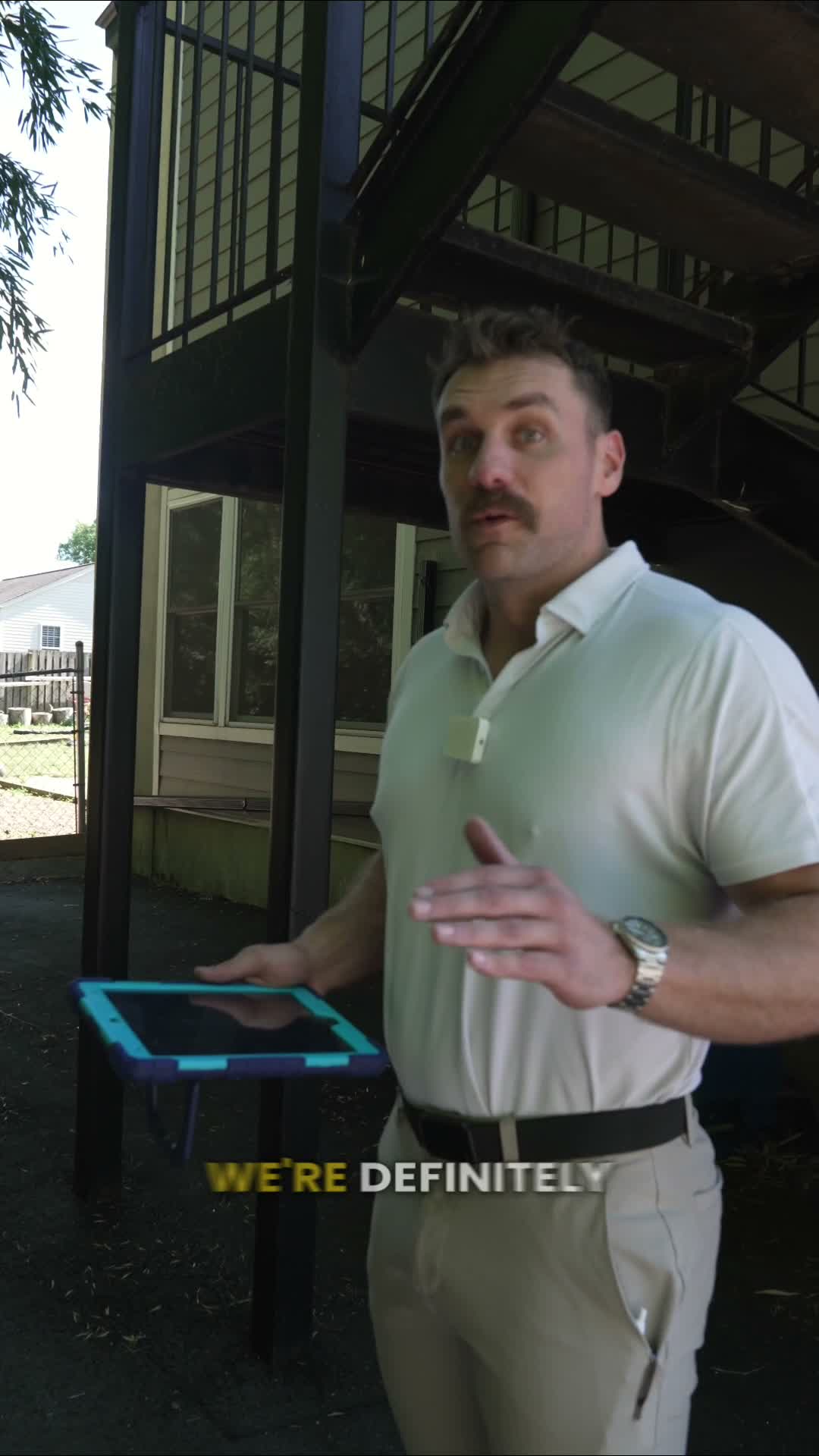
Dr. Joel says it plainly in the clip: when we first started, it felt like every time we did anything, we had to recover for a couple of days.
That is one of the signatures of post-concussion syndrome. The activity by itself is not the villain. The problem is what happens afterward, when the demand exceeds what the brain, the inner ear and the neck can currently absorb. The bill comes due that evening, or the next morning, in the form of a headache, fogginess or dizziness that lingers.
So early on, the dose is small and the recovery window is long. Then, session by session, the window shrinks. As Dr. Joel puts it, we are definitely over that hump. Caroline can jump. She can cut. She has gotten back to running, and running is the last piece we really have to cover.
Post-concussion syndrome is not one system, it is several
This is the part people underestimate. A concussion can leave a mark on more than one system at once, and each one behaves differently:
- The vestibular system, meaning the inner ear and balance
- The visual system, including light sensitivity and how the eyes work together
- The cognitive system, attention and processing
- The ability to tolerate perturbations, the up and down challenges of real movement
- Dizziness, coordination and tolerance for getting the pulse back up
- The cervical spine, the neck component, which rides along with almost all of it
Our view is that you cannot leave any of these untreated. If you skip any of them, the athlete suffers, they take longer to get better, and they cannot get back. That is what we see with lingering concussion cases. If the piece is not addressed, it does not just quietly clear on its own. It stays, and people start working around it, and their life gets smaller. That is a tough thing to watch.
What the SCAT6 is and why the evaluation matters
The SCAT6 is the Sport Concussion Assessment Tool, sixth edition. It is a consensus document, physicians and researchers agreeing on what the evaluation of a concussed athlete or individual should actually include, rather than everybody improvising. It standardizes the symptom checklist, the cognitive screen, the balance and coordination testing, and it guides a graded return rather than an all at once one.
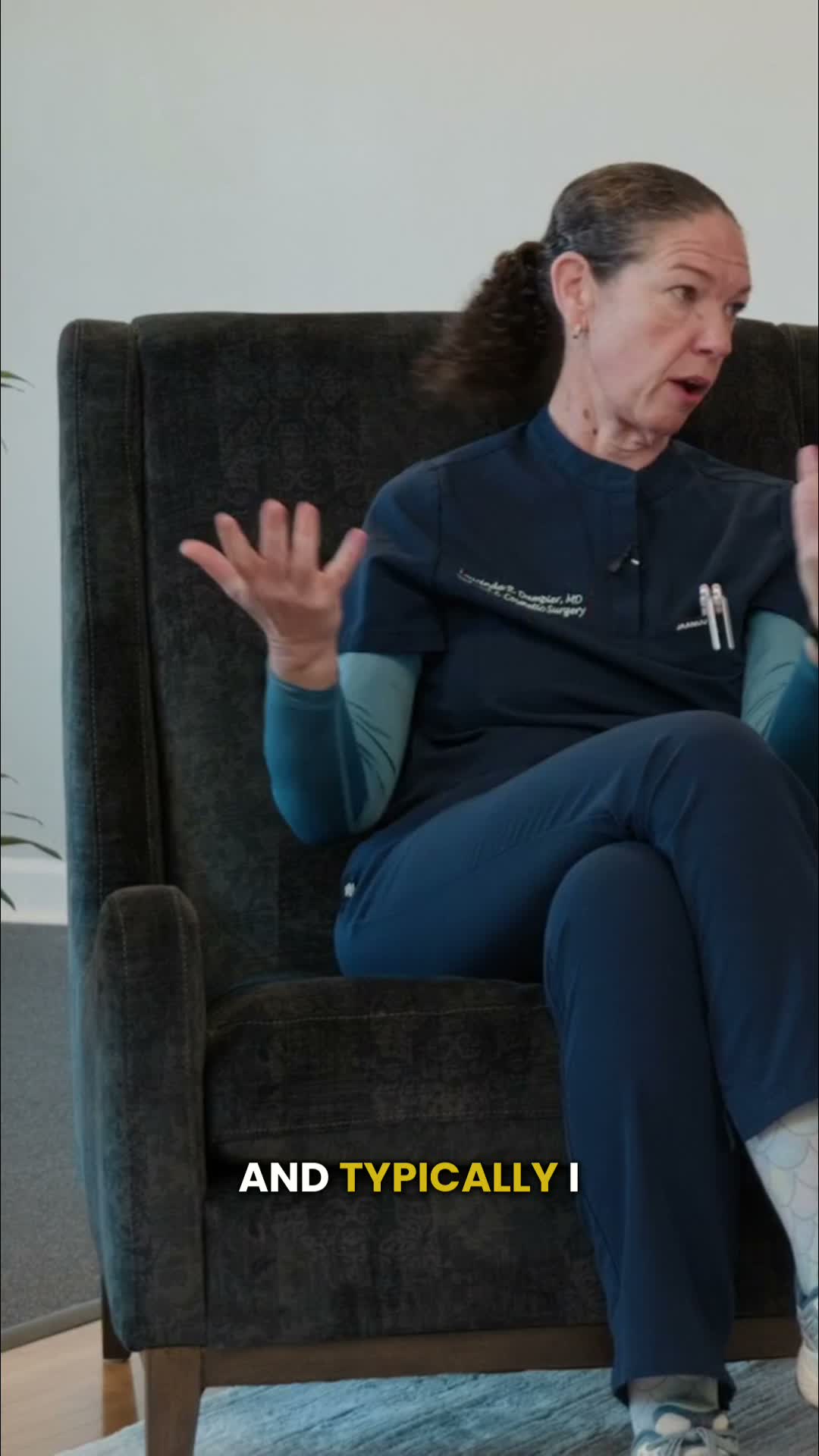
It matters because the alternative is a guess. Some pediatricians and other providers who were not trained in concussion will slough these cases off, assuming they all get better. In our experience, most do. Roughly eighty percent follow the simple graded guidance and come out the other side, and the athletic trainers here in Sumner County are very good at employing those techniques.
The other group is the one we are writing about. We find that upwards of twenty percent hold onto persistent symptoms, and those need managed: the vestibular piece, the visual piece, the cervical component, the autonomic tolerance. Those numbers are our reading of the research and our experience in the room, not a prediction about any one person.
What Caroline’s sessions look like right now
Where she is today is a graded exposure problem. Dr. Joel describes it as making sure she is doing some lateral movements, some jumping, and then mixing running in with all of it, so that she can gradually be exposed back to being able to play a full soccer game or run at the level she wants to run.
That mixing is deliberate. A soccer game is not running. It is accelerating, stopping, turning your head while your body goes the other way, tracking a ball, getting jostled, and doing it again with your heart rate already high. Rehearsing each of those pieces separately and then stacking them is how we find out what her system tolerates before a Saturday finds out for her.
Her progress is her own. It reflects her injury, her history and the work she has put in, and it is not a schedule anybody else should measure themselves against.
Questions we get about lingering concussion symptoms
Why do my symptoms only show up when I exercise?
Because exercise raises the demand. Heart rate, head movement, visual tracking and balance all get loaded at once, and a system that is still recovering can handle a quiet room far better than a busy field. Symptoms that appear with exertion tell us where to start, not that you should stop moving entirely.
Is it normal to still have headaches weeks after a concussion?
It is common enough that it has a name. When symptoms persist past the expected window, that is what post-concussion syndrome describes. Our experience is that those symptoms need assessed and managed system by system rather than waited out.
How long does post-concussion syndrome last?
There is no honest number to give you. It depends on which systems are involved, how long it has gone unaddressed, and what the demands of your sport or job are. Anyone who gives you a date on the first visit is guessing.
Can I do anything while I still have symptoms?
Usually yes, at the right dose. The graded return principle in the SCAT6 exists because complete rest for weeks is not what the current evidence supports. The skill is in choosing the load that challenges the system without setting off a two day recovery.
If symptoms have not cleared, come get them looked at
Post-concussion syndrome is still, in our opinion, the most neglected condition we see. It is 2026 and people are still told to shake it off, when the understanding of it has moved a long way past that. If you or your athlete is still dealing with headaches, dizziness, light sensitivity or foggy days weeks after a hit, those symptoms deserve a real evaluation. Book a visit with us in Hendersonville and we will work out which systems are actually involved and build the plan from there.

Leave a Reply