
A bone can heal completely and a joint can still refuse to move the way it used to. That gap confuses a lot of people, and it is more common than it sounds.
What guarding actually is
When a fracture requires a period of no weight bearing or immobilization, the body responds by protecting the area. Muscles around the joint tighten, and the nervous system shifts to a more cautious movement pattern. That response is useful while the bone is healing. The problem is that it does not always turn itself back off once the healing is finished.
Think of it like the flinch you keep after touching a hot stove. Long after the burn itself has healed, your hand still pulls back fast near anything hot. A joint that has been guarded after a fracture works the same way, a learned protective reflex that can outlast the original reason for it.
We saw this recently with a patient in her thirties, referred to us from an outside orthopedic practice after a fracture that required a stretch of immobilization to heal. She was told her comeback would be difficult, and months later her knee and ankle still were not moving through a full range, even though the bone itself had healed on schedule.
Why stretching alone often does not fix it
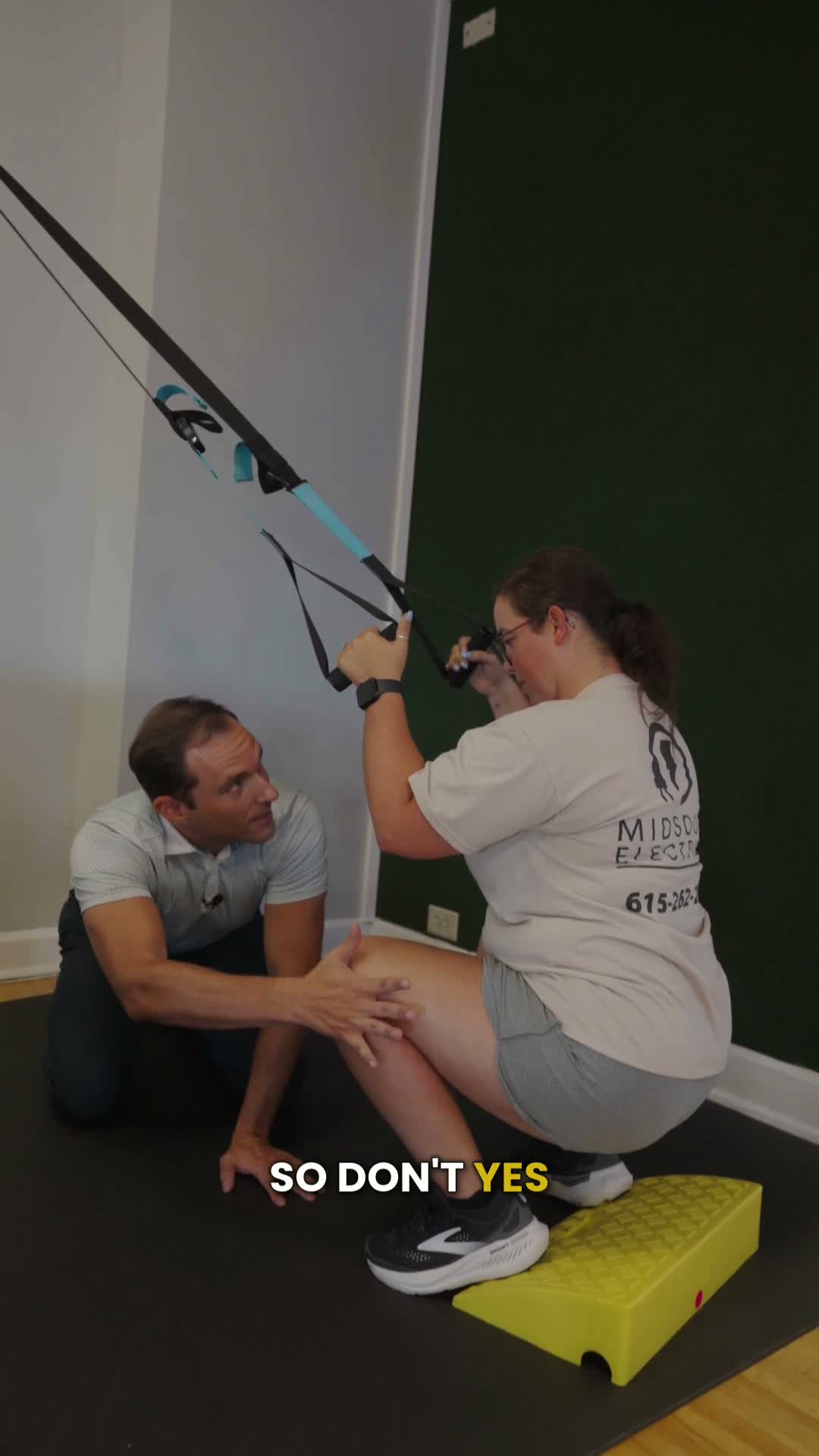
A guarded joint is not simply tight in the way a sore muscle is tight. It is running a protective pattern that the nervous system put in place on purpose. Stretching the tissue can help, but it does not necessarily change the pattern underneath it. That is where reflexive neuromuscular training comes in, a technique where Dr. Jason Hulme exaggerates the faulty movement the body has been defaulting to and has the patient actively resist it, rather than passively holding a stretch.
Paired with a chiropractic adjustment and soft tissue work to open the joint’s available range, the resistance work then has new range to actually lock in with strength. That combination, open the range and then load it, is what allows harder movement to be added safely as the plan advances.
What this means if your own recovery has stalled
Guarding is not a flaw in how someone healed. It is the body doing its job longer than it strictly needed to. The way through it is not more time waiting, it is retraining the pattern directly.
Frequently asked questions
Why would a joint still be stiff if the fracture already healed?
The bone healing and the movement pattern returning to normal are two separate processes. Guarding can outlast the healing itself if nothing addresses the pattern directly.
Does everyone struggle this much after a fracture?
No. Many people regain motion without much trouble. Others, especially after a longer period of immobilization, need dedicated rehab work to get the joint moving normally again.
What does reflexive neuromuscular training involve?
It involves recreating the faulty movement pattern on purpose, then having the patient resist it, so the nervous system practices the correct pattern under real load.
Can rehab still help if the immobilization ended months ago?
Guarding patterns can often be addressed regardless of how long ago the immobilization ended, though how much change is possible varies from person to person.
If a fracture has been fully healed for a while but the joint still does not feel like it used to, that is worth having looked at directly. Book a new patient visit at our Hendersonville clinic and we will assess what pattern is still being protected.
Leave a Reply