
The Rotation That Should Not Be Coming From Your Neck
Neck pain that shows up during a lift, a golf swing, or any movement that twists through the trunk is not always a neck problem at its source. The neck is built for smaller motions: nodding, turning to check a mirror, small adjustments through the day. Larger rotation, the kind needed to set up under a deadlift or turn through a swing, is supposed to come from the mid-back. When the mid-back will not give up that motion, the body still finds a way to rotate, and the neck often ends up compensating for a joint higher or lower down the chain.
How We Free Up the Mid-Back
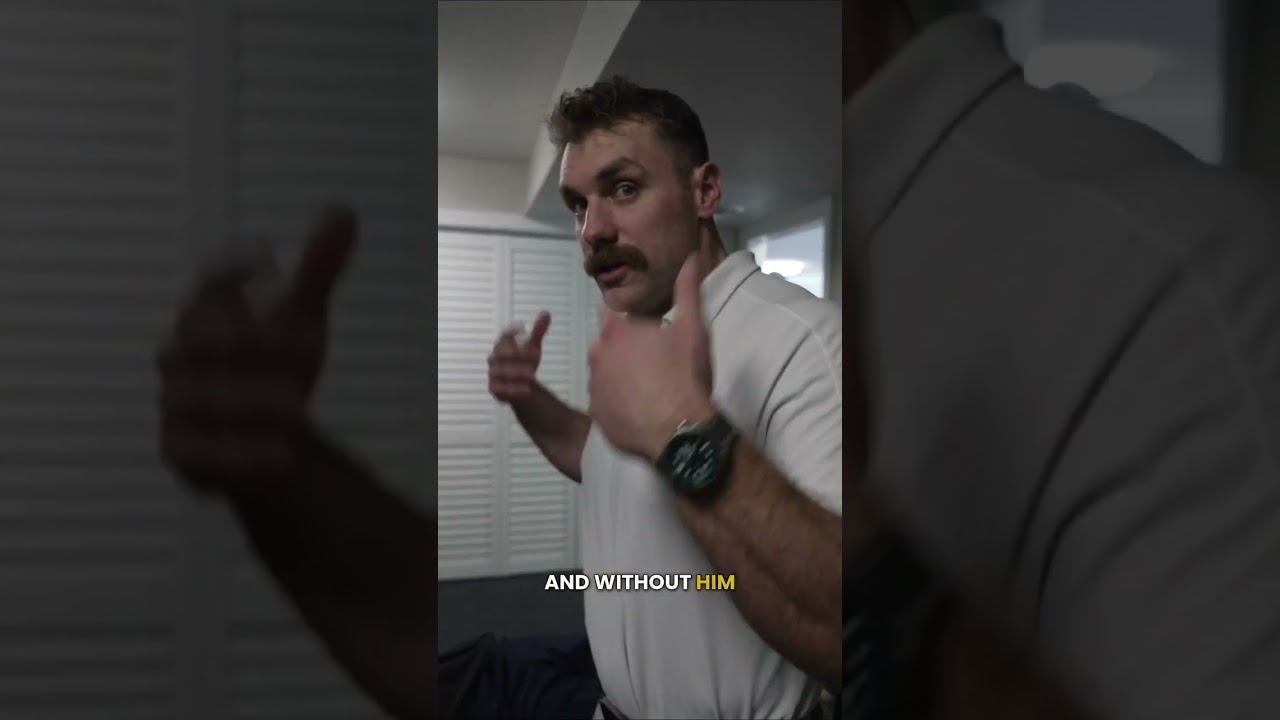
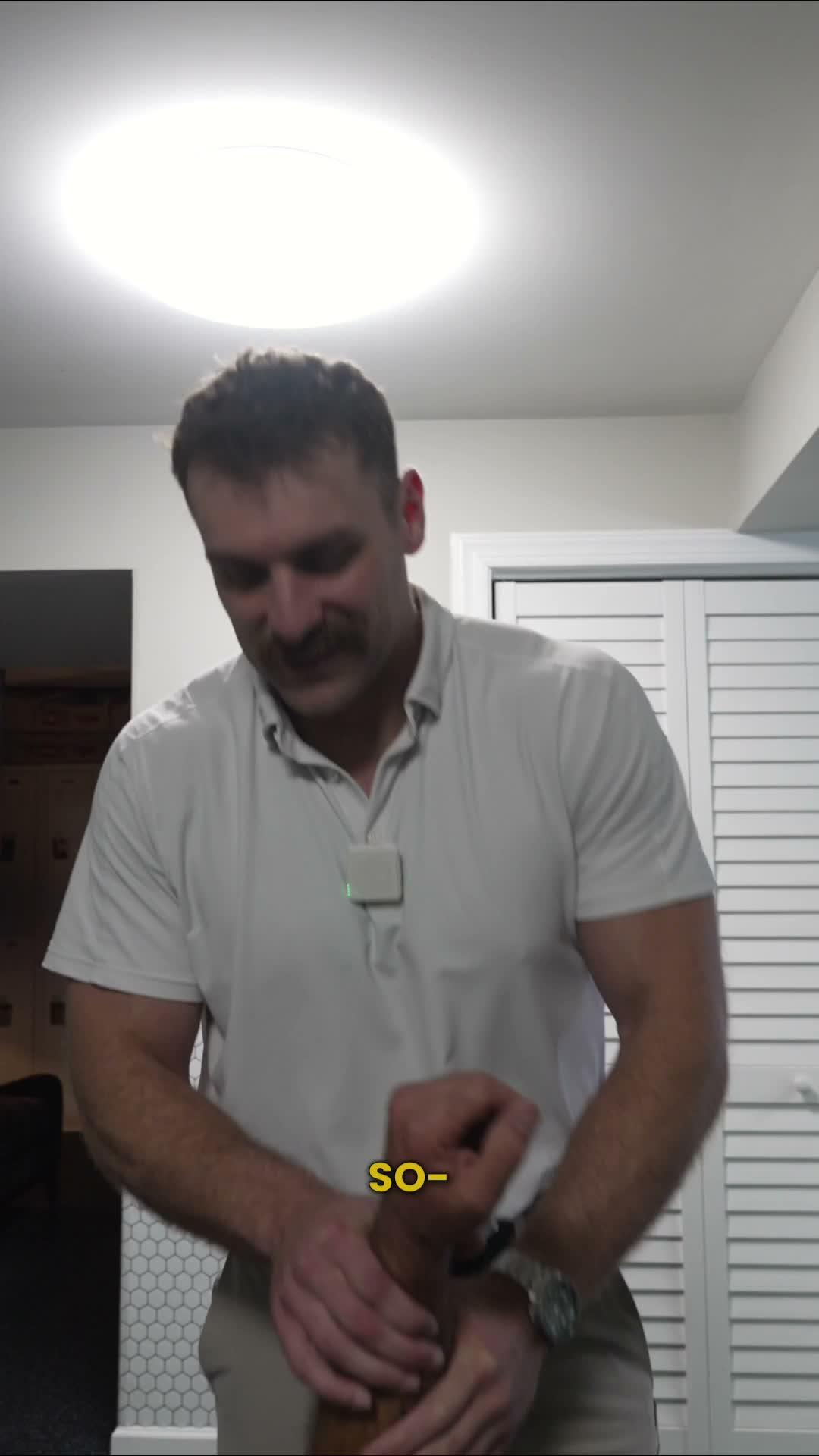
One of the adjustments we use for this is straightforward to describe, even if it takes some practice to do well. The person gives themselves a big hug, wrapping their arms around their own shoulders. We take off anything, like a weight belt or jewelry, that might get caught or damaged. Then a deep breath in, all the way out, and the joint is moved as the ribs and mid-back relax on the exhale. That combination, the position and the breath, generally lets the joint loosen more than either one would on its own.
Why This Matters for Training, Not Just Pain
This shows up clearly in the gym, not just on the exam table. We recently worked through this with Rob, who came in originally for his shoulder and upper back. He also mentioned an old knee injury that had made it hard to put together his own lower body workouts, so his care grew to include getting his knees strong enough for the leg extension and deadlift work he does on his own. Part of getting him ready for that training is keeping his mid-back moving, so his neck is not doing extra work every time he sets up for a lift. He has been sore as his training load has gone up, so we are taking his progress day by day rather than on a fixed schedule.
What This Looks Like Over Time
A mid-back that rotates well does not eliminate every source of neck tightness, and this is not a promise that one adjustment resolves it permanently for everyone. What it does is remove one common source of the problem, a joint further down the spine quietly forcing the neck to pick up its slack. For someone training regularly, keeping that motion available in the mid-back is worth checking on the same way someone would check in on a knee or a shoulder.
Frequently Asked Questions
Why does my neck hurt when I lift weights or rotate quickly?
Often the neck is compensating for rotation that should be coming from the mid-back. If that joint is stiff, the neck ends up moving more than it is built for, which can lead to tightness or strain there.
What does a mid-back adjustment actually involve?
In our sessions, it involves a self-hug position and a deep breath in and out while the joint is moved. Many people find this loosens the area noticeably, though how much and how quickly varies from person to person.
Can mid-back stiffness affect how I train my lower body too?
Indirectly, yes. Good rotation and trunk control support lifts like deadlifts, so addressing mid-back mobility alongside lower body strength work, as we did with Rob, is often part of preparing someone to train more comfortably.
How long does it take for a stiff mid-back to loosen up?
This varies by person and by how long the stiffness has been present. Some people notice a difference within a session, others need it addressed regularly alongside their training, so we treat it case by case rather than on a set timeline.
If rotation during your training seems to be landing in your neck instead of your mid-back, book a new patient visit and we will take a look at where the motion is actually getting lost.
Leave a Reply