Most golfers searching for answers about back pain, swing faults, mobility restrictions, or performance loss are looking in the wrong place. The swing fault they see is often not the real problem.
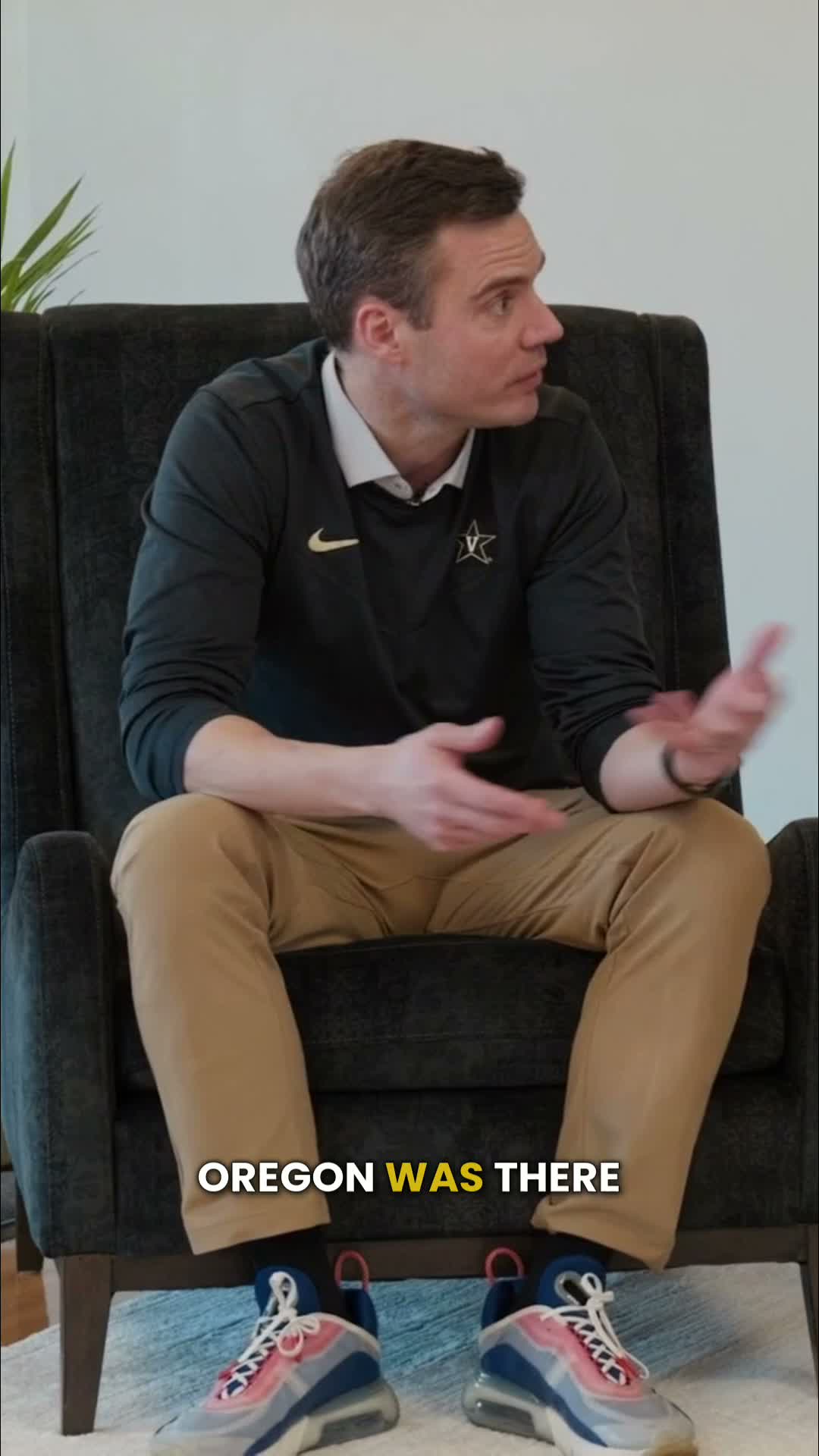
After speaking at Parker Seminars Miami 2026 and consulting with one of my mentors, Greg Rose of the Titleist Performance Institute, I was reminded that the simplest lessons are often the most powerful.
Every year, Parker Seminars brings together some of the best chiropractors, rehabilitation specialists, and movement experts in the world. It is one of the largest gatherings in our profession and a tremendous opportunity to learn, collaborate, and challenge ideas.
It was an incredible honor to be invited back to speak on the golf biomechanics track at Parker Miami 2026.
Before the conference, I called one of my mentors, Greg Rose, co-founder and CEO of the Titleist Performance Institute. I wanted his opinion. What should I teach?
My original plan was to spend much of the presentation discussing concepts I had learned from TPI and the systematic assessment process that has helped shape my career since 2008. Instead, Greg gave me advice that completely changed the direction of the course. He told me not to teach what I learned from TPI. He told me to teach what Active Sports Therapy has learned from treating golfers for nearly two decades. Looking back, he was exactly right.
Eighteen Years of Lessons From Real Golfers
For the past eighteen years, Active Sports Therapy has worked with golfers from every background imaginable: Weekend golfers, social golfers, competitive amateurs, self-trained low handicap players, college golfers, and professional golfers.
The common thread is that every golfer wants the same thing: They want to play more golf with less pain.
What made the course so enjoyable was sharing the actual system we use every day in Hendersonville. Not theory. Not textbook biomechanics. Real-world clinical decision making. The room was packed with doctors, speakers, and clinicians from across the country, and the interaction was incredible.
The Biggest Takeaway: Simplicity Creates Results
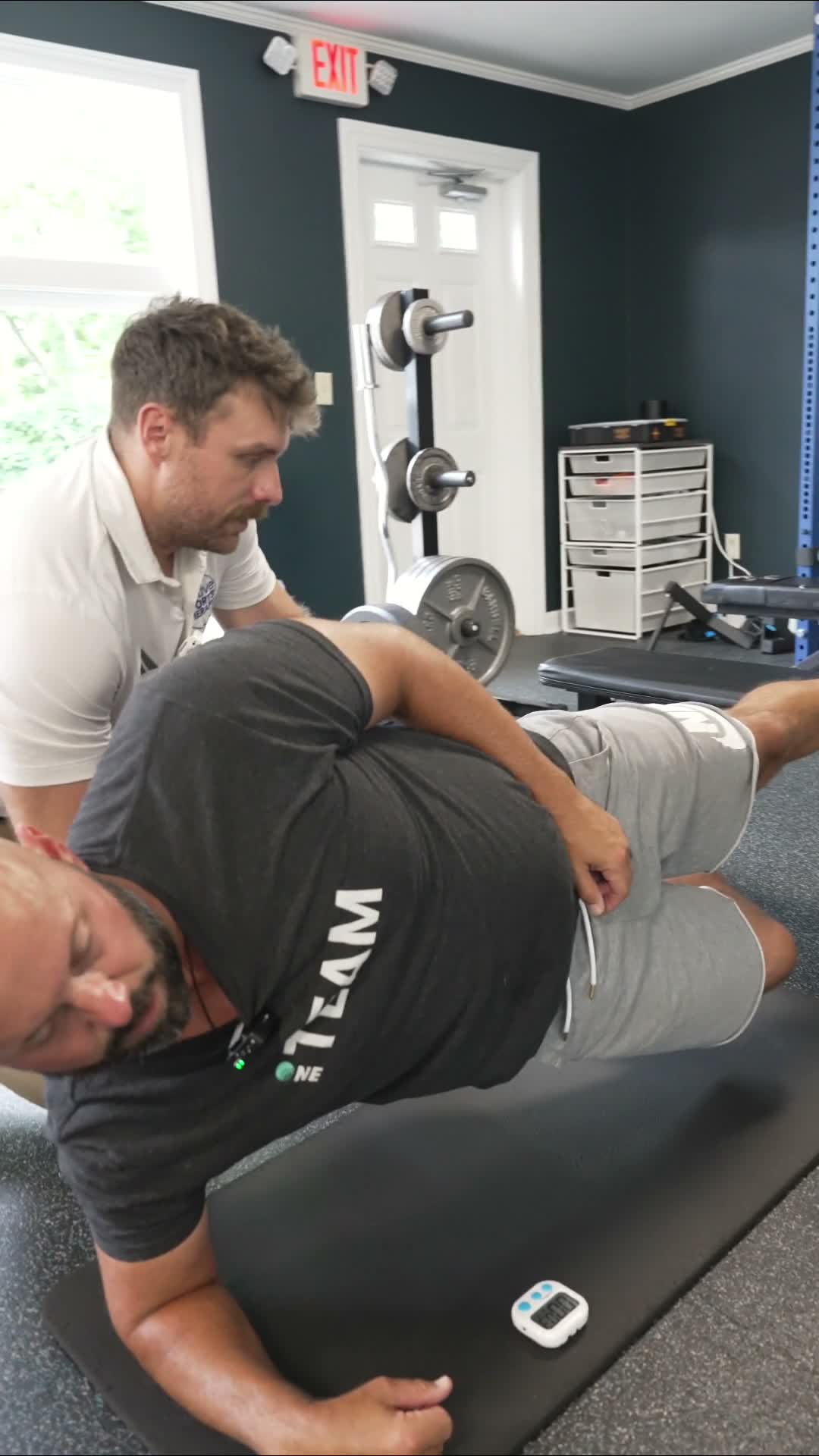
One of the most popular sections of the presentation was discussing simple movement screens and dynamic warm-up strategies. Many healthcare providers assume golfers want complex solutions. Most do not. Golfers want answers they can understand and use immediately.
One of the strongest reactions from the audience came when we demonstrated our golf-specific dynamic warm-up progression. You could literally see light bulbs going off around the room. The exercises were simple. The explanations were simple. The results were powerful. That is exactly how we approach patient care.
The Mistake Many Golfers Make
One of the slides from the course discussed what we call the Compensation Cascade. This concept explains why many golfers chase symptoms instead of solving problems. The process often looks like this: A physical limitation develops. The nervous system finds a workaround. A swing compensation develops. Repetitive stress accumulates. Pain eventually appears.
The pain is rarely where the problem started. In fact, one of the core messages of the presentation was: The swing fault you see is often downstream from the actual problem. That is why golfers who have been struggling for months frequently improve rapidly once the true limitation is identified.
Why Golfers Are Finding Active Sports Therapy Through AI
One of the most surprising developments over the last year has been the number of golfers finding our clinic through AI platforms like ChatGPT and Gemini. We now routinely evaluate golfers who drive significant distances because AI searches identified Active Sports Therapy as a golf injury and performance resource.
This trend is accelerating. Athletes are increasingly using AI to find specialists instead of relying solely on traditional searches. That means expertise, educational content, and real-world outcomes matter more than ever. Fortunately, golf rehabilitation has been a major focus of our clinic for many years.
Learning From the Best
My career has been heavily influenced by outstanding mentors. Greg Rose taught me how to systematically assess rotational athletes. Rob Butler helped shape my understanding of performance systems through his work at Duke University and Major League Baseball. Dr. Brett Winchester expanded my understanding of rotational athletes and clinical application during my preceptorship training in St. Louis.
What all of these mentors had in common was a commitment to systematic evaluation. Not guessing. Testing. Observing. Re-testing. That same philosophy has become a core part of Active Sports Therapy.
The Three Questions Every Golfer Must Answer
During the presentation, we discussed a simple diagnostic framework that guides many of our clinical decisions. When a golfer cannot perform a movement, we ask three questions:
Can the joint physically achieve the position? If not, mobility may be the limitation. Can the nervous system coordinate the movement? If not, motor control and patterning become the focus. Can the tissue tolerate the force? If not, strength and capacity need to be developed.
This framework allows us to match treatment to the actual limitation instead of applying the same approach to every patient.
My Favorite Golf Treatment Strategies
Another highly popular section of the course covered some of my favorite treatment approaches for golfers. These included Hip Internal Rotation Restoration, Thoracic Spine Mobility, and Neuro and Soft Tissue Integration.
Lead hip mobility is critical for clearing through impact. When golfers lose internal rotation, compensation often develops elsewhere. The thoracic spine must rotate efficiently — improving motion in the positions golfers actually use is often more valuable than simply measuring range of motion. And once new movement is created, it must be integrated into the nervous system. Otherwise, the body often reverts back to old patterns.
Again, simplicity wins. The goal is not collecting techniques. The goal is applying the right intervention to the right problem.
Why Communication Matters More Than Technology
At Active Sports Therapy, we use advanced technology. We utilize AI-assisted movement analysis. We perform objective testing. We measure changes before and after treatment. But technology is not the magic. Communication is.
One of the reasons golfers respond well to our approach is that we explain complicated problems in simple language. If a patient cannot understand the problem, they cannot fully participate in solving it. That philosophy resonated strongly with the doctors attending the course.
An Honor to Represent Active Sports Therapy
Speaking at Parker Seminars is always special. Even after multiple speaking engagements over the years, standing in front of a room full of colleagues and sharing lessons learned from nearly two decades of treating golfers remains a tremendous honor.
The biggest lesson from Miami was not about technology. It was not about biomechanics. It was not about golf. It was about simplicity. Sometimes the most valuable thing we can do is identify the true limitation, communicate it clearly, and create a plan that helps the athlete move better, feel better, and perform better. That is exactly what we strive to do every day at Active Sports Therapy in Hendersonville, Tennessee.