
Some foot and ankle injuries can be watched for a stretch of time. Others need an accurate diagnosis within days, because the delay itself becomes part of the injury. Knowing which pile yours belongs in is the single most useful thing an experienced sports medicine provider does early, and it was the whole subject of a conversation between Dr. Nick Strasser and Dr. Jason at the 2026 Active Sports Therapy conference.
Which foot and ankle injuries can be watched, and which cannot?
Dr. Strasser, a foot and ankle surgeon at Vanderbilt and Chief of the Foot and Ankle division, sorted them by what happens if you wait. If waiting only costs time, you can often try conservative care first, because the surgical option is still there later. If waiting lets a joint go bad, you want the diagnosis now.
| Often reasonable to watch and rehab first | Usually worth a quick, accurate diagnosis |
|---|---|
| Lateral ankle sprain, the common rolled ankle | Lisfranc injury in the midfoot |
| Low grade high ankle sprain | Ankle fracture |
| Acute Achilles rupture, in many cases | Severe high ankle sprain, also called a syndesmotic injury |
He was careful about the word ignore. Watching something is not ignoring it. It means someone has examined it, named it, and decided that time and loading are the right treatment for now.
Why does a missed Lisfranc injury lead to arthritis?
The Lisfranc is the ligament complex that locks the midfoot together where the long bones of the foot meet the smaller bones behind them. When that lock is torn, the bones shift slightly every time you push off.
Dr. Strasser’s point was that when a Lisfranc tear is left alone, arthritis can set in quickly in the foot. It is a little like a door hinge that has lost a screw. The door still opens, but every swing grinds in a place it was never meant to grind, and the damage accumulates rather than resolving. That is why a midfoot injury that is still painful and swollen across the top of the foot after a few days deserves a proper look rather than another week of hoping.
Can an Achilles rupture be treated without surgery?
In many cases, yes, when it is caught while it is still acute. Dr. Strasser described the non-operative route plainly: a heel lift, a boot, and a gradual lowering of the heel over time so the tendon ends sit together while the body does its own repair work.
The caveat he added was about athletes. When someone has a season or a scholarship in front of them, the conversation about getting it repaired surgically and moving sooner is a different conversation, and it belongs to the surgeon and the athlete.
Why is a high ankle sprain different from rolling your ankle?
A high ankle sprain injures the syndesmosis, the connective tissue holding the two shin bones together just above the ankle joint. Those two bones spread apart slightly every time you load the leg, so the injury is irritated by exactly the thing you need to do to get back to sport.
Then football enters the picture. Dr. Jason raised the scenario everyone in the room recognized: scholarship money or NIL money on the line, and the tightrope procedure, a surgical fixation that holds the two shin bones at the right distance, long the go-to for getting an athlete back sooner.
It seems like a no-brainer to us to have that fixed quickly just because their ability to get back on the field is so much faster seemingly.
That is the athlete’s end of the spectrum. It is not the whole picture of who walks in with a high ankle sprain.
What does our side of it look like after the decision is made?
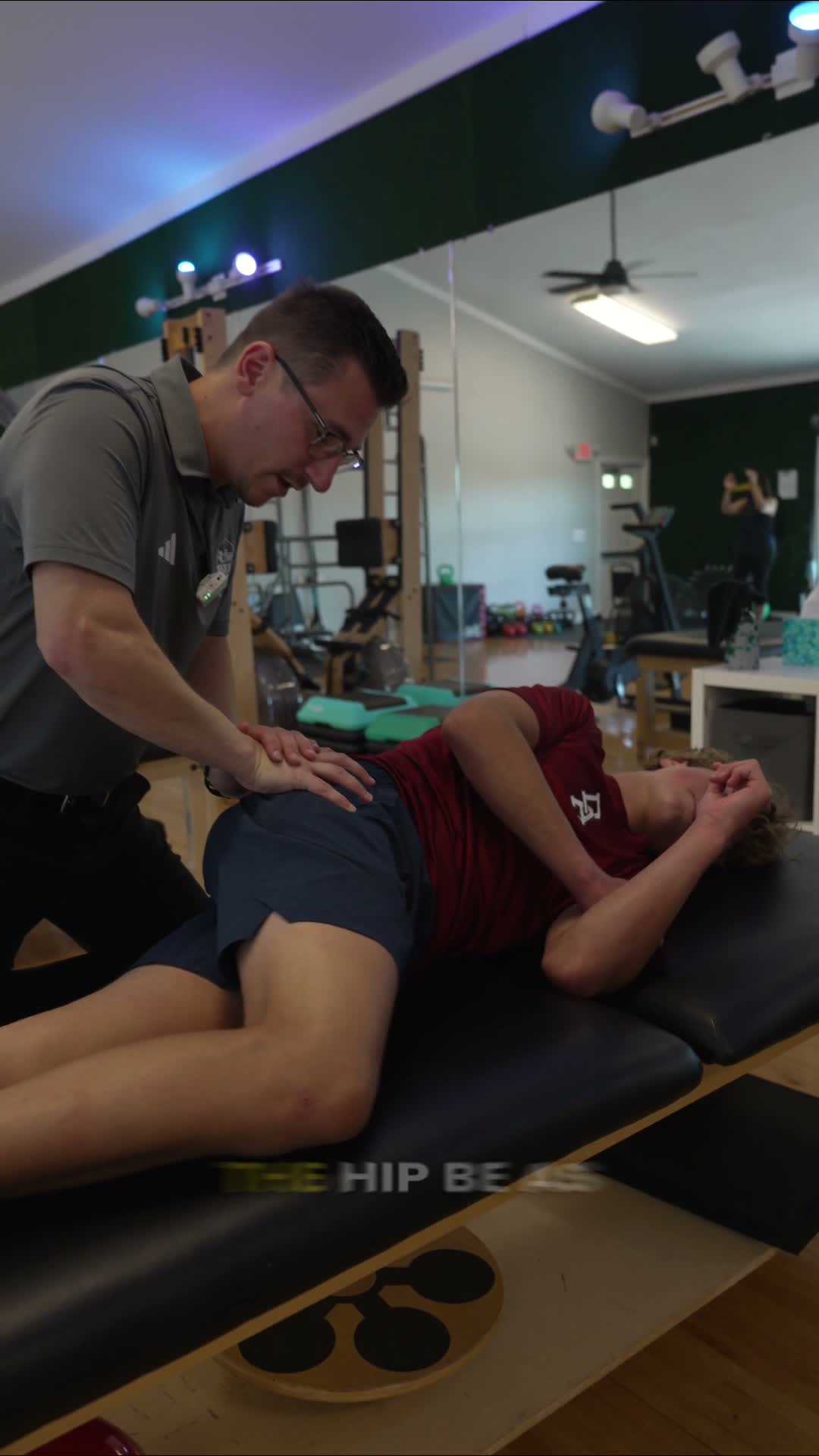
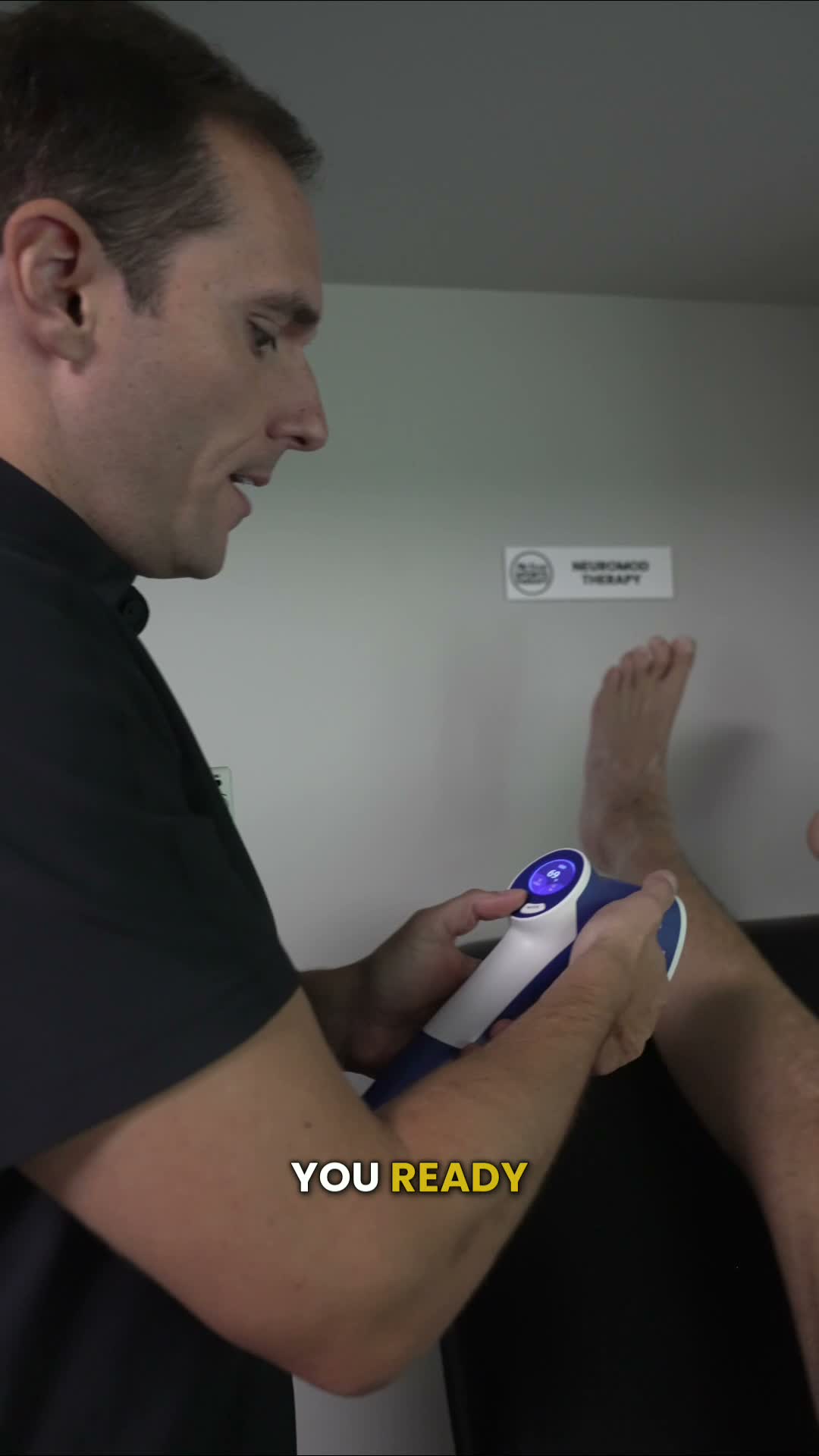
We do not perform surgery. Our part in Hendersonville is the assessment that gets someone to the right person quickly, and the rehabilitation on either side of whatever that person decides.
Here is our own observation, separate from Dr. Strasser’s. Across 18 years, the high ankle sprains Dr. Jason has seen referred in have skewed heavily toward the low grade end. Those rehab well. They also take noticeably longer than an ordinary lateral ankle sprain, which is worth saying out loud to someone who expected to be back in two weeks. Rebuilding calf strength, ankle range of motion and tolerance for push off is slower work, and rushing it is usually what sends somebody backward.
Key points
- Watching an injury is a decision made after an exam, not a substitute for one.
- A torn Lisfranc left alone can allow arthritis to set in quickly in the midfoot.
- An acute Achilles rupture can often be managed with a heel lift, a boot and gradual heel lowering.
- High ankle sprains rehab well at the low grade end, but slower than a rolled ankle.
- Conservative first is a reasonable plan when the surgical option remains open later.
Frequently asked questions
How do I know if my ankle sprain is a high ankle sprain?
Pain sits above the ankle joint, between the two shin bones, rather than over the bump on the outside of the ankle. It often hurts more with push off and with twisting than with simple side to side movement. An exam is how it gets sorted out, because the two can happen together.
Why would a surgeon want to see a midfoot injury within days?
Because the midfoot is a locked structure, and a torn ligament there lets the bones move in ways they were not built for. Dr. Strasser’s concern was that arthritis can set in quickly when that is missed. Early imaging and an accurate diagnosis keep the options open.
Does choosing non-surgical care mean I can never have it repaired?
For several injuries, no. That was the logic Dr. Strasser described: when the surgical option stays available later, trying conservative care first is reasonable. For others, including Lisfranc injuries and displaced fractures, waiting changes what surgery can accomplish.
What can rehab do while a ligament or tendon is still healing?
Plenty. Protecting the injured tissue while loading everything around it keeps the calf, hip and foot from deconditioning, and it preserves range of motion that is hard to win back later. The plan depends on the diagnosis, which is why the diagnosis comes first.
If you rolled an ankle or hurt your midfoot and it is still swollen and painful past the first week, that is the point to have it examined rather than wait it out. Book a new patient visit and we will work out which tissue is actually involved, and whether this is one to rehab or one that needs a surgeon’s eyes on it quickly.
Active Sports Therapy · 123 Stadium Drive, Hendersonville, TN 37075 · 615-537-5520
Transcript of the video
I think on the flip side if you take somebody that has an ankle fracture. Oh Gilley’s rupture interpret things like that. The list Frank injuries. Like those are the conditions where our little bit more like they probably need care.
Quicker, yeah to diagnose and accurate diagnosis quicker because they can cause long-term problems arthritis weakness of the calf. Absolutely drop that kind of stuff. So I think it kind of comes down to the condition and that’s where it’s gets a little hard of when can you watch it and and I don’t say ignore it but watch it on operatively and it really depends on the condition that managing know it’s good and I think it’s a good transition into a high ankle sprain, you know, so these we all see high ankles and I think the I’m very intrigued by your opinion on high angles brand, you know, if it’s a football scenario, there’s scholarship money or nil money on the line. You know, I used to be tightrope procedure was just a go-to.
I don’t know if you all have more refined techniques and things like that. Now I’m sure you have a million but the reality was for us when we think about our athletes that we’ve seen in high school that went on to college and manage and they come back by and then they’re in the middle of this, you know, trying to determine what to do. It seems like a no-brainer to us to have that fixed quickly just because their ability to get back on the field is so much faster seemingly.
With Dr. Nick Strasser, foot and ankle surgeon at Vanderbilt and Chief of the Foot and Ankle division. See his practice.

Leave a Reply